

Eine Telefonplattform bildet die kommunikative Grundlage, mit der eine Organisation Sprachanrufe, Nebenstellen, Routinglogik, Benutzerkonten, Geschäftsnummern und zugehörige Anruffunktionen im gesamten Betrieb verwalten kann. In modernen Umgebungen ist eine Telefonplattform nicht mehr auf eine herkömmliche lokale PBX beschränkt. Sie umfasst häufig IP-Telefonie, SIP-Konnektivität, Cloud-Kommunikation, mobilen Zugriff, Verwaltungstools sowie die Integration in umfassendere Geschäftsworkflows.
Aus praktischer Sicht ist eine Telefonplattform das System, das Personen, Geräte, Abteilungen und Standorte über eine einheitliche Anrufumgebung verbindet. Sie unterstützt Unternehmen bei der Organisation eingehender und ausgehender Anrufe, fördert die interne Zusammenarbeit, gewährleistet eine professionelle Kundenkommunikation und ermöglicht die Skalierung von Sprachdiensten effizienter als isolierte Telefone oder veraltete analoge Systeme.
Da Organisationen zunehmend auf IP-Netze, hybrides Arbeiten, standortübergreifende Betriebsabläufe und die Digitalisierung des Kundenservice setzen, hat sich der Begriff der Telefonplattform erweitert. Sie kann Tischtelefone, Softphones, mobile Apps, SIP-Trunks, Voicemail, Anrufaufzeichnung, Telefonkonferenzen, automatische Telefonzentralen, Analysen sowie die Integration in CRM- oder Leitstellensysteme umfassen. Mit anderen Worten geht es nicht nur um das Tätigen von Anrufen, sondern um die Verwaltung der geschäftlichen Sprachkommunikation als Teil eines umfassenden Betriebssystems.
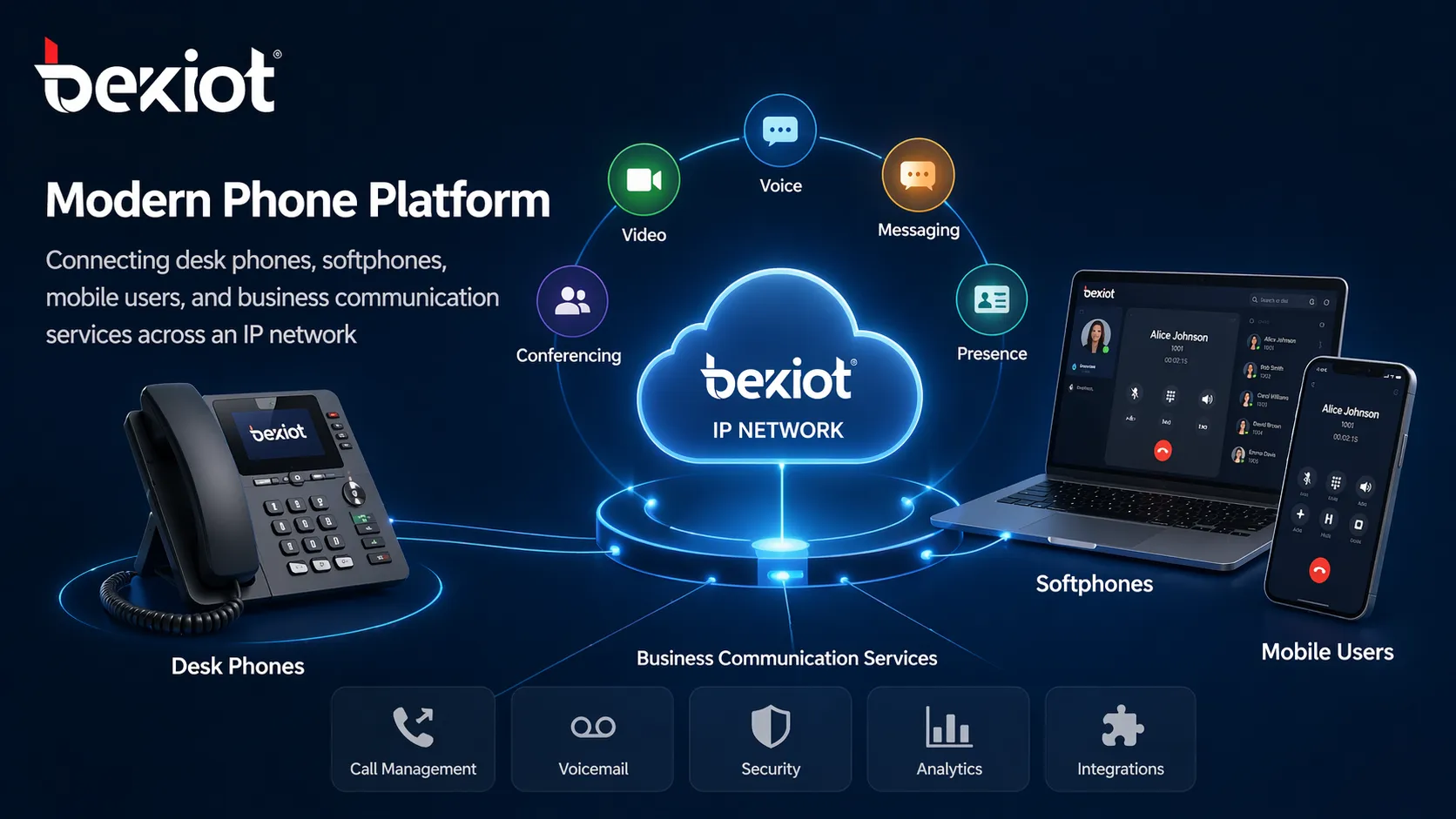
Bedeutung einer Telefonplattform in der Geschäftskommunikation
Mehr als nur ein einfaches Telefonsystem
In vielen Unternehmen bezeichnet der Begriff Telefonplattform die vollständige Architektur zur Bereitstellung von Anrufdiensten – nicht nur die Tischtelefone an den Arbeitsplätzen. Sie umfasst das zentrale Anrufsteuerungssystem, die Benutzerbereitstellung, Nummerierungspläne, Routingrichtlinien, Voicemail, Funktionsberechtigungen sowie die Netzwerkverfahren zur Verbindung lokaler Benutzer, externer Mitarbeiter und eingehender Anrufer.
Diese erweiterte Bedeutung ist wichtig, da die moderne Geschäftskommunikation nicht mehr an ein einzelnes Büro und einen Verteilerschrank gebunden ist. Ein Unternehmen kann Mitarbeiter in der Zentrale mit IP-Telefonen, Remote-Mitarbeiter mit Apps auf Laptops, Lagerteams mit robusten Sprachendgeräten und kundenorientierte Abteilungen mit Warteschlangen- oder Agentenfunktionen einsetzen. Eine Telefonplattform bündelt all diese Elemente in einem einzigen verwaltbaren Rahmen.
Daher bewerten Unternehmen eine Telefonplattform nicht nur nach der Anrufqualität, sondern auch nach Skalierbarkeit, Administrierbarkeit, Integrationsmöglichkeiten, Sicherheit und der Eignung für reale betriebliche Arbeitsabläufe.
Unterschied zur herkömmlichen PBX-Konzeption
Eine herkömmliche PBX konzentrierte sich hauptsächlich auf die Vermittlung von Anrufen innerhalb eines Standorts und die Verbindung zu öffentlichen Telefonleitungen. Eine Telefonplattform übernimmt diese Kernaufgaben, geht aber weit darüber hinaus. Sie unterstützt statt veralteter Leitungen SIP-Trunks, statt nur Tischtelefone Software-Clients und statt manueller Programmierung über proprietäre Schnittstellen eine zentralisierte Web-Verwaltung.
Zudem bietet sie Funktionen, die ältere Systeme nur unzureichend bewältigen konnten: standortübergreifende Nebenstellennummerierung, cloudbasierte Verwaltung, erweitertes Anrufrouting, browserbasierte Berichterstellung, API-Konnektivität oder die Integration in Tools für Unified Communications und Contact Center.
Aufgrund dieser Weiterentwicklung ist der Begriff Telefonplattform flexibler und genauer als die einfache Bezeichnung PBX. Er spiegelt wider, dass die geschäftliche Sprachkommunikation Teil einer umfassenderen digitalen Kommunikationsinfrastruktur geworden ist.
Eine leistungsstarke Telefonplattform ist nicht nur ein Anrufsystem, sondern ein geschäftlicher Kommunikationsrahmen, der Erreichbarkeit, Effizienz und Dienstekonsistenz verbessert.
Funktionsweise einer Telefonplattform
Zentrale Anrufsteuerung und Benutzerverwaltung
Im Zentrum einer Telefonplattform befindet sich die Anrufsteuerungsebene. Dieser Systemteil registriert Benutzer oder Geräte, verarbeitet die Signalisierung, setzt Wählregeln durch und legt fest, wie Anrufe geroutet werden. Wenn ein Benutzer eine Nebenstelle oder eine externe Nummer wählt, interpretiert die Plattform die Anfrage und ermittelt den korrekten Anrufpfad.
Die Plattform verwaltet zudem geschäftliche Identitäten wie Nebenstellen, direkte eingehende Nummern, Klingelgruppen, Anrufwarteschlangen und abteilungsbezogene Anrufabläufe. Administratoren können festlegen, welche Benutzer bestimmte Berechtigungen erhalten, welche Nummern zu welchen Teams gehören, wie eingehende Anrufe behandelt werden und was passiert, wenn ein Benutzer nicht erreichbar ist.
Diese zentralisierte Logik macht die Telefonplattform für den Geschäftseinsatz praktikabel. Ohne sie würde jedes Gerät unabhängig agieren, was Konsistenz, Kontrolle und Skalierbarkeit erheblich erschwert.
Verbindung zum öffentlichen Netz und externen Diensten
Eine Telefonplattform verbindet sich mit externen Anrufern in der Regel über SIP-Trunks, Telekommunikationsgateways oder Anbieterdienste. Diese Verbindungen ermöglichen es dem Unternehmen, ausgehende Anrufe zu tätigen und eingehende Anrufe über firmeneigene Nummern zu empfangen. Bei modernen Implementierungen ist die SIP-basierte Konnektivität besonders verbreitet, da sie flexibles Routing, Skalierbarkeit und eine einfachere Integration in IP-Umgebungen unterstützt.
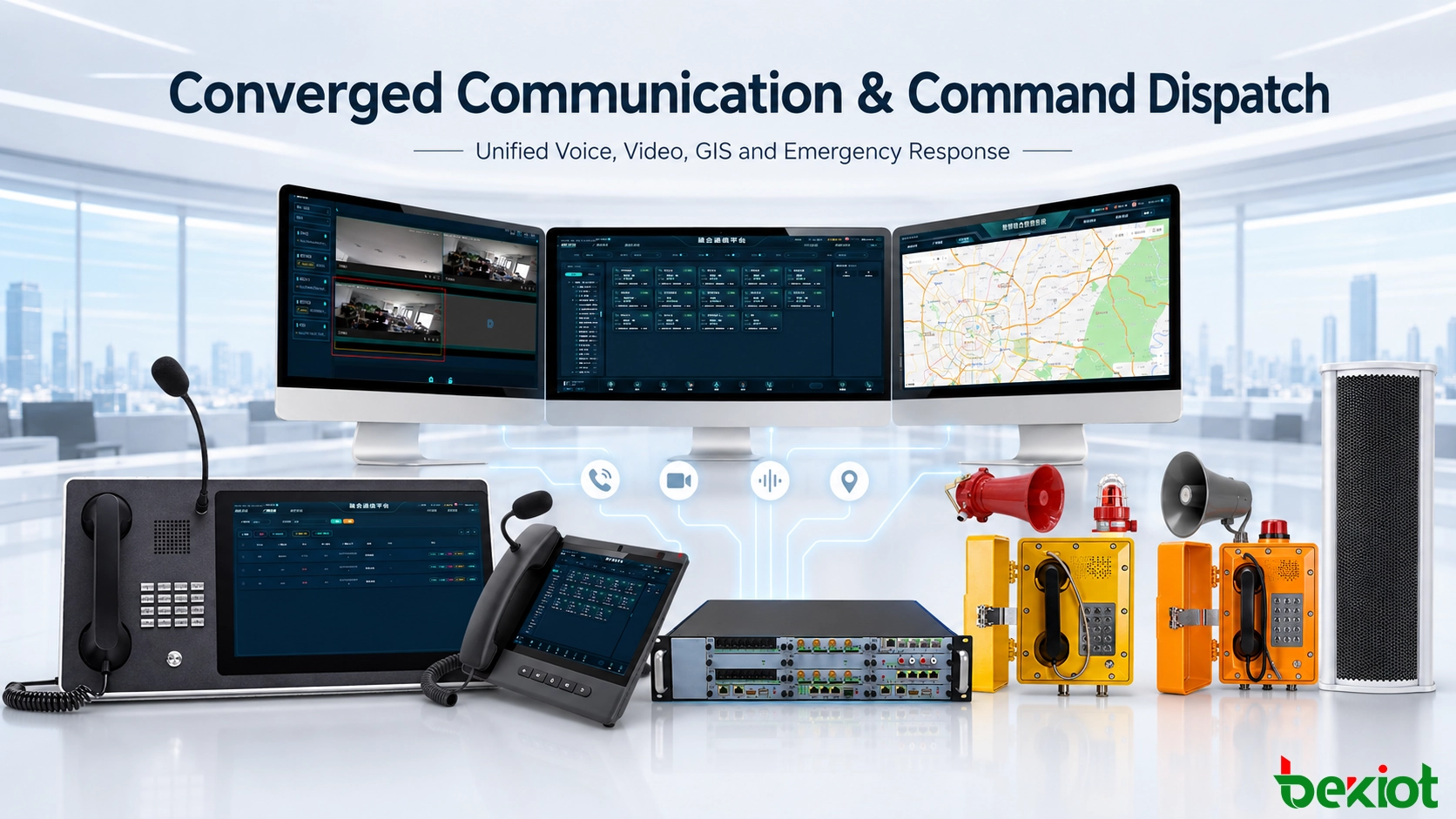
Je nach Bereitstellungsmodell kann die Plattform zudem mit Voicemail-Systemen, Konferenzressourcen, Notfallbenachrichtigungsdiensten, Anrufaufzeichnungsplattformen, Analysetools oder CRM-Anwendungen verbunden werden. In einigen Organisationen wird die Telefonplattform Teil eines umfassenderen Kommunikationsstapels, der Gegensprechanlagen, Durchsagesysteme, Leitstellen und Kundensupportsysteme umfasst.
Diese externe Konnektivität ist einer der strategischen Gründe für die Bedeutung der Plattform: Sie fungiert als betriebliche Brücke zwischen internen Benutzern und der Außenwelt.
Endgeräte, Apps und tägliche Anruferfahrung
Benutzer interagieren mit der Telefonplattform über Endgeräte wie Tischtelefone, Konferenztelefone, schnurlose Handteile, Softphones oder mobile Anwendungen. Sobald ein Endgerät registriert ist, kann der Benutzer gemäß den zugewiesenen Richtlinien und Funktionen Anrufe tätigen und empfangen.
Im täglichen Geschäftsbetrieb erlebt der Mitarbeiter die Telefonplattform über praktische Funktionen wie Nebenstellenwahl, Anrufweitergabe, Halten, Umleitung, Zugriff auf die Voicemail, Anwesenheitsanzeige oder Klick-to-Call. Manager nutzen Berichte, Anrufüberwachung oder Konfigurationstools. IT-Teams übernehmen Verwaltung, Wartung und Sicherheitskontrolle.
Das Ergebnis ist ein mehrschichtiges System, bei dem eine einzige Plattform viele Benutzertypen und Kommunikationsszenarien unterstützt – ohne dass jede Abteilung eine separate Sprachumgebung betreiben muss.
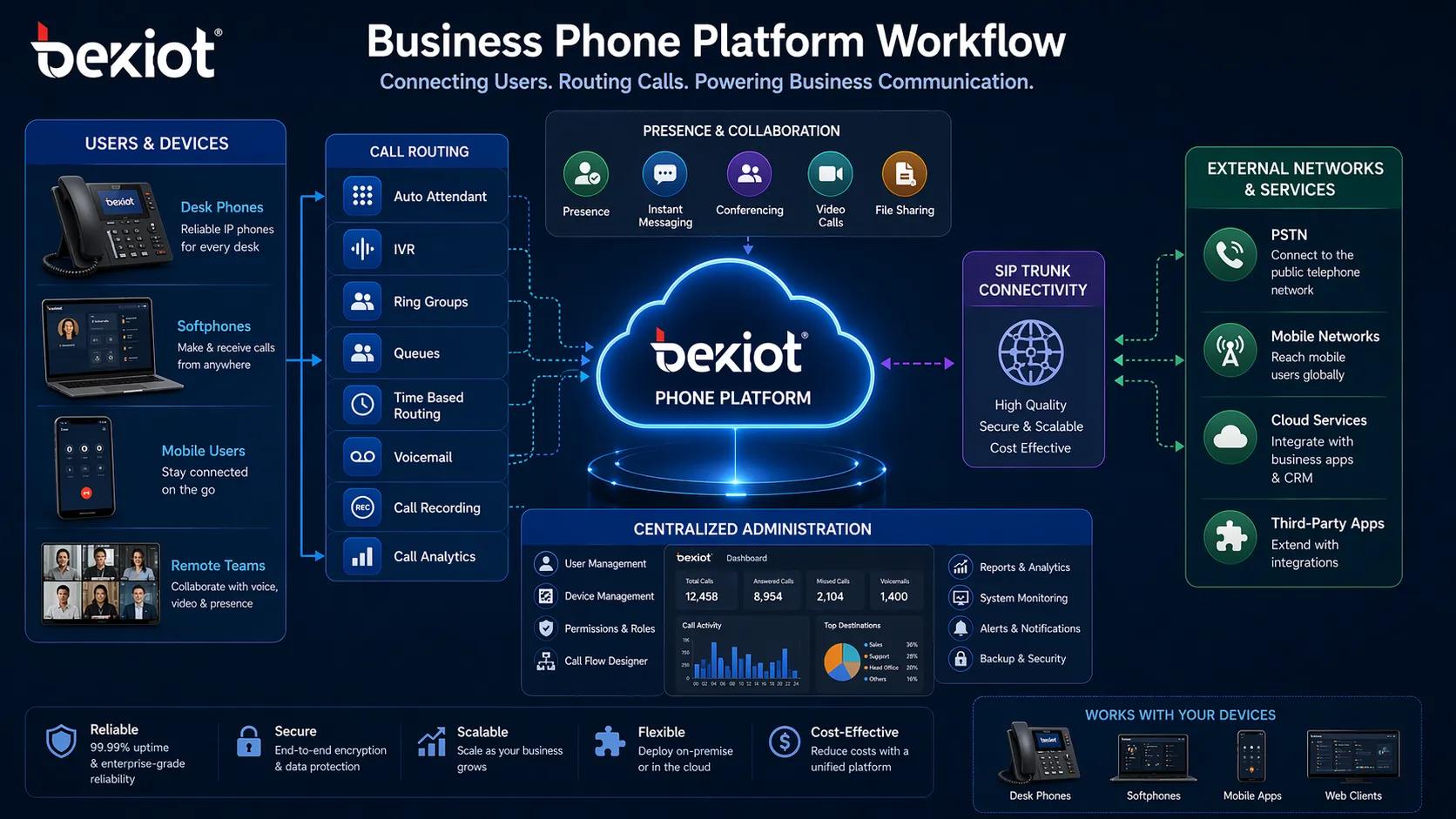
Hauptfunktionen einer Telefonplattform
Intelligente Anrufbehandlung und Routing
Eine der wichtigsten Funktionen einer Telefonplattform ist die flexible Anrufbehandlung. Unternehmen benötigen mehr als einen einfachen Wählton: Sie brauchen Anrufumleitungen, Suchgruppen, zeitgesteuertes Routing, automatische Telefonzentralen, Voicemail, Weitergabelogik, Klingelstrategien und Ausweichverhalten entsprechend den geschäftlichen Prioritäten.
Diese Routing-Funktionen helfen Organisationen, ein professionelleres Auftreten zu vermitteln und verpasste Anrufe zu reduzieren. Anrufer werden schneller an die richtige Abteilung weitergeleitet, überlastete Anrufe intelligent verteilt und verschiedene Niederlassungen oder Abteilungen unter einer einheitlichen geschäftlichen Anrufstruktur zusammengefasst.
In fortgeschrittenen Umgebungen unterstützt die Routing-Ebene zudem priorisierte Anrufbehandlung, Aufzeichnungsrichtlinien, IVR-Logik und Strategien zur Geschäftskontinuität bei Netzausfällen oder Spitzenlastzeiten.
Mobilität und geräteübergreifender Zugriff
Die moderne Geschäftskommunikation ist nicht mehr an den Schreibtisch gebunden. Eine leistungsfähige Telefonplattform unterstützt Benutzer auf Bürotelefonen, Laptops, Tablets und Smartphones, sodass sie unabhängig von der Arbeit vor Ort, im Homeoffice oder an mehreren Standorten erreichbar bleiben.
Diese Flexibilität ist besonders wertvoll für hybrides Arbeiten, Außendiensttätigkeiten, die Koordination von Niederlassungen und kundenorientierte Mitarbeiter, deren geschäftliche Identität geräteübergreifend verfügbar sein soll. Statt private Nummern uneinheitlich zu nutzen, können Mitarbeiter geschäftliche Anrufe über dieselbe verwaltete Plattform tätigen und empfangen.
Mobilitätsfunktionen helfen Unternehmen zudem, ein einheitlicheres Erscheinungsbild zu wahren. Die Organisation behält die Kontrolle über Nummerierung, Anrufrichtlinien und Dienstekontinuität auch bei verteilter Arbeitsweise.
Verwaltung, Analysen und Integration
Eine Telefonplattform gewinnt stark an Nutzen durch eine zentralisierte Verwaltung. Administratoren benötigen Tools zum Hinzufügen von Benutzern, Ändern von Anrufabläufen, Anzeigen des Systemstatus, Beheben von Störungen und Installieren von Updates ohne übermäßigen manuellen Aufwand. Daher ist die webbasierte Verwaltung eine wichtige Anforderung moderner Systeme.
Analysen und Berichte gewinnen ebenfalls zunehmend an Bedeutung. Unternehmen wünschen Transparenz über verpasste Anrufe, Anrufdauer, Leistung von Warteschlangen, Agentenaktivitäten oder Spitzennutzungszeiten. Diese Erkenntnisse unterstützen die Personalplanung, die Verbesserung des Kundenservice und Entscheidungen zur Kommunikationspolitik.
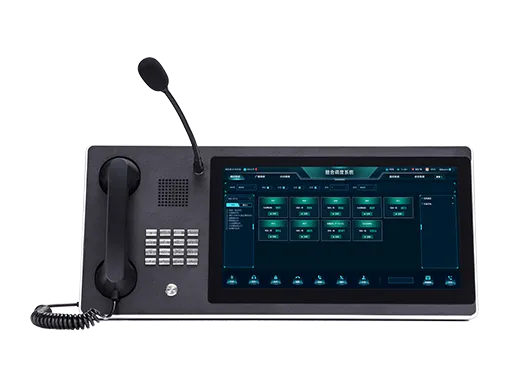
Die Integration ist die nächste Wertschicht. Eine Telefonplattform kann mit CRM-Software, Helpdesk-Tools, Durchsagesystemen, Türgegensprechanlagen, Leitstellenkonsolen oder Kollaborationsplattformen verbunden werden. Diese Integration wandelt die Sprachkommunikation in einen handlungsfähigen Geschäftsdienst um – statt eines isolierten Hilfsmittels.
Vorteile der Nutzung einer Telefonplattform
Höhere Kommunikationseffizienz
Der direkteste Vorteil einer Telefonplattform ist die verbesserte Kommunikationseffizienz. Anrufe erreichen schneller die richtigen Ansprechpartner, die interne Nummernwahl wird vereinfacht und Mitarbeiter verbringen weniger Zeit mit Notlösungen. Die standardisierte Anrufbehandlung reduziert zudem Verwirrung zwischen Abteilungen und Niederlassungen.
Für kundenorientierte Teams verbessert das effiziente Routing die Reaktionsfähigkeit. Für interne Teams unterstützt die einheitliche Nebenstellenverwaltung eine schnellere Zusammenarbeit. Für die Führungsebene erleichtert die zentralisierte Transparenz die Bewertung von Leistung und Systemkapazität.
Mit der Zeit führen diese kleinen betrieblichen Verbesserungen zu einer spürbaren Optimierung der täglichen Kommunikation in der Organisation.
Bessere Skalierbarkeit für wachsende Organisationen
Eine gut konzipierte Telefonplattform unterstützt das Unternehmenswachstum effektiver als getrennte Systeme oder veraltete PBX-Hardware. Neue Benutzer, Abteilungen und Niederlassungen lassen sich oft hinzufügen, ohne die gesamte Sprachumgebung neu aufzubauen. Dies ist einer der Gründe, warum IP- und cloudbasierte Plattformen für moderne Unternehmen attraktiv sind.
Skalierbarkeit beschränkt sich nicht nur auf die Benutzeranzahl, sondern umfasst auch die Unterstützung neuer Funktionen, zusätzlicher Anrufpfade, veränderter Anrufvolumina und sich weiterentwickelnder Geschäftsstrukturen. Eine gut skalierbare Plattform schützt die ursprüngliche Investition und reduziert Störungen bei der Expansion.
Dies ist besonders wichtig für Organisationen mit saisonaler Nachfrage, verteilten Betriebsabläufen, Unternehmensübernahmen oder langfristigen digitalen Transformationsplänen.
Professionellere Kundenerfahrung
Kunden bewerten ein Unternehmen oft danach, wie einfach es ist, den richtigen Ansprechpartner zu erreichen und wie konsistent Anrufe behandelt werden. Eine Telefonplattform verbessert diese Erfahrung durch strukturierte Begrüßungen, intelligentes Routing, flächendeckende Voicemail, Warteschlangenverwaltung und eine klarere Zuordnung eingehender Nummern.
Statt auf improvisierte Anrufannahmen angewiesen zu sein, kann das Unternehmen Kommunikationsstandards festlegen. Verkaufsanrufe, Supportanrufe, Empfangsanrufe und Anrufe außerhalb der Geschäftszeiten folgen einem durchdachten Ablauf, der die Marke und die Serviceerwartungen des Unternehmens widerspiegelt.
Eine professionelle Anrufbehandlung verbessert nicht nur die Wahrnehmung, sondern reduziert auch verpasste Geschäftschancen und stärkt dauerhafte Kundenbeziehungen.
Verbesserte Kontrolle und Geschäftskontinuität
Da die Telefonplattform Konfiguration und Routing zentralisiert, erhalten Unternehmen eine bessere Kontrolle über das Dienstverhalten. Administratoren können Berechtigungen festlegen, Ausweichregeln erstellen, Sicherheitsmaßnahmen umsetzen und schneller auf veränderte organisatorische Anforderungen reagieren.
Diese Kontrolle stärkt die Ausfallsicherheit. Bei einem Problem in einem Büro können Anrufe umgeleitet werden. Bei Remote-Arbeit der Mitarbeiter bleibt die geschäftliche Identität über Softphones oder mobile Anwendungen erhalten. Steigt das Anrufaufkommen unerwartet, lässt sich die Routing-Logik systematischer anpassen als bei fragmentierten Umgebungen.
Kurz gesagt hilft eine Telefonplattform dem Unternehmen, die Kommunikationskontinuität unter wechselnden Bedingungen aufrechtzuerhalten.
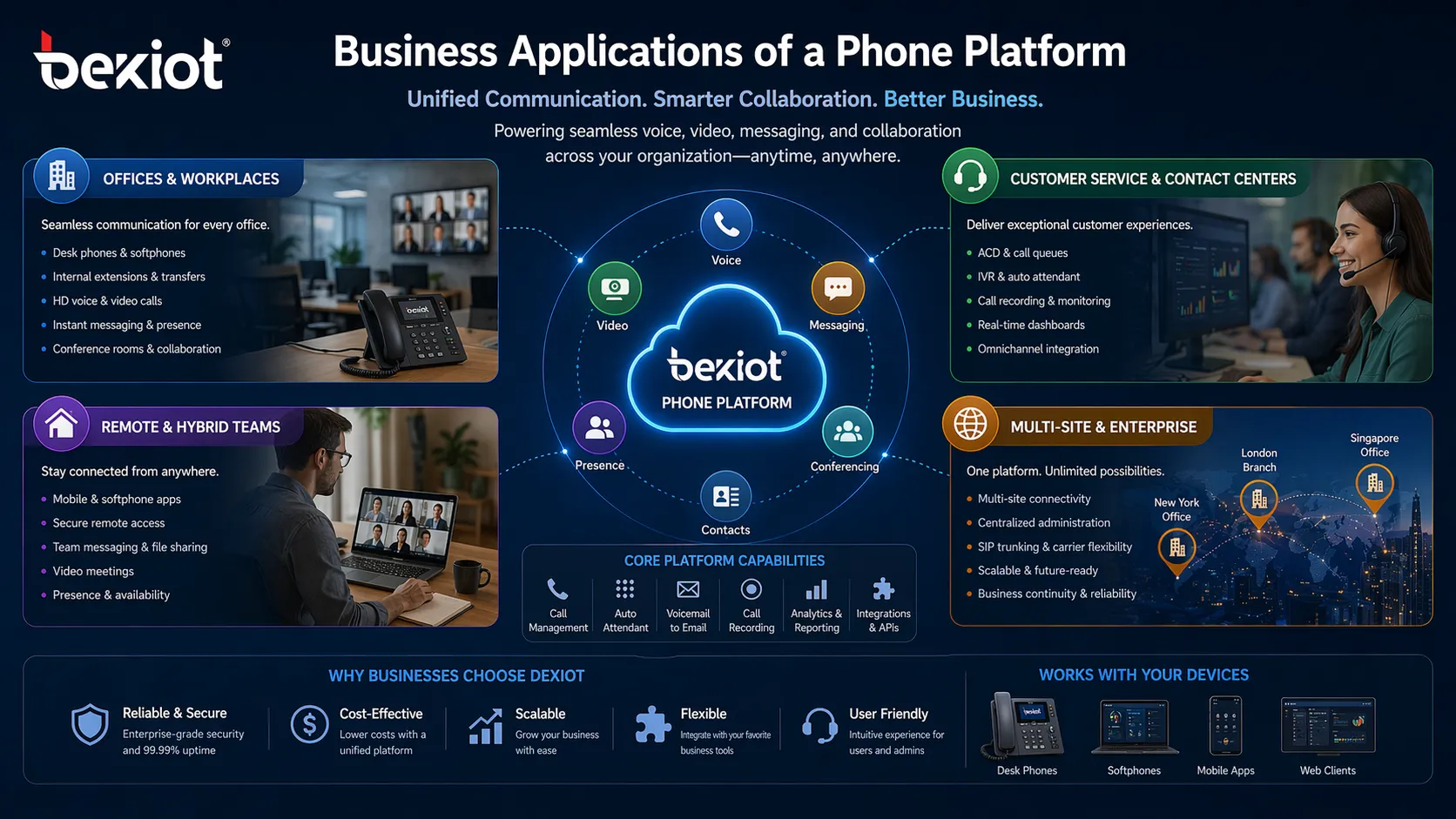
Geschäftsanwendungen einer Telefonplattform
Büro- und Unternehmenskommunikation
In Büroumgebungen deckt eine Telefonplattform die täglichen Kernanforderungen ab: Nebenstellenwahl, Empfangsrouting, Abteilungsnummern, Telefonkonferenzen und Voicemail. Sie gibt der Organisation ein strukturiertes Kommunikationssystem – statt einer ungeordneten Sammlung von Endgeräten.
Für größere Unternehmen erweitert sich der Nutzen auf standortübergreifende Nummerierungspläne, Niederlassungsintegration, zentralisierte Verwaltung und einheitliche Richtlinien. Die Zentrale behält eine stärkere Kontrolle, während regionale Betriebseinheiten effizient arbeiten können.
Dadurch ist die Plattform besonders für Organisationen geeignet, die sowohl Standardisierung als auch betriebliche Flexibilität wünschen.
Kundenservice und Contact-Center-Arbeitsabläufe
Viele Unternehmen nutzen die Telefonplattform als Grundlage für die kundenorientierte Kommunikation. Eingehende Verkaufsleitungen, Servicedesks, Support-Warteschlangen und Rückrufabläufe hängen von kontrolliertem Routing und zuverlässiger Anrufbehandlung ab.
Selbst ohne vollständiges Contact Center profitiert das Unternehmen von Warteschlangenlogik, aufgezeichneten Begrüßungen, Berichterstellung und abteilungsbezogener Anrufverteilung. Diese Funktionen helfen kleineren Teams, eine organisiertere Kundenerfahrung zu bieten – ohne sofort auf eine komplexere Dienstplattform umzusteigen.
Mit wachsender Nachfrage kann die Telefonplattform oft als Basisschicht für fortgeschrittene Tools zur Kundenbindung dienen.
Remote-Arbeit und mobile Geschäftsteams
Hybrides Arbeiten und verteilte Teams machen Telefonplattformen wertvoller denn je. Ein Außendienstmitarbeiter unterwegs, ein Remote-Support-Ingenieur und ein Büroleiter in der Zentrale können alle an derselben geschäftlichen Sprachumgebung mit identischer Identität und Routing-Struktur teilnehmen.
Dies ist wichtig für Kontinuität, Kundenvertrauen und interne Zusammenarbeit. Mitarbeiter müssen keine privaten Nummern preisgeben oder auf uneinheitliche Kommunikationsmethoden zurückgreifen. Das Unternehmen bleibt über ein einheitliches System erreichbar, auch wenn Benutzer über verschiedene Standorte verteilt sind.
Für wachsende Organisationen entsteht dadurch ein weit anpassungsfähigeres Kommunikationsmodell als eine standortgebundene Telefoninfrastruktur.
Industrielle, betriebliche und spezialisierte Umgebungen
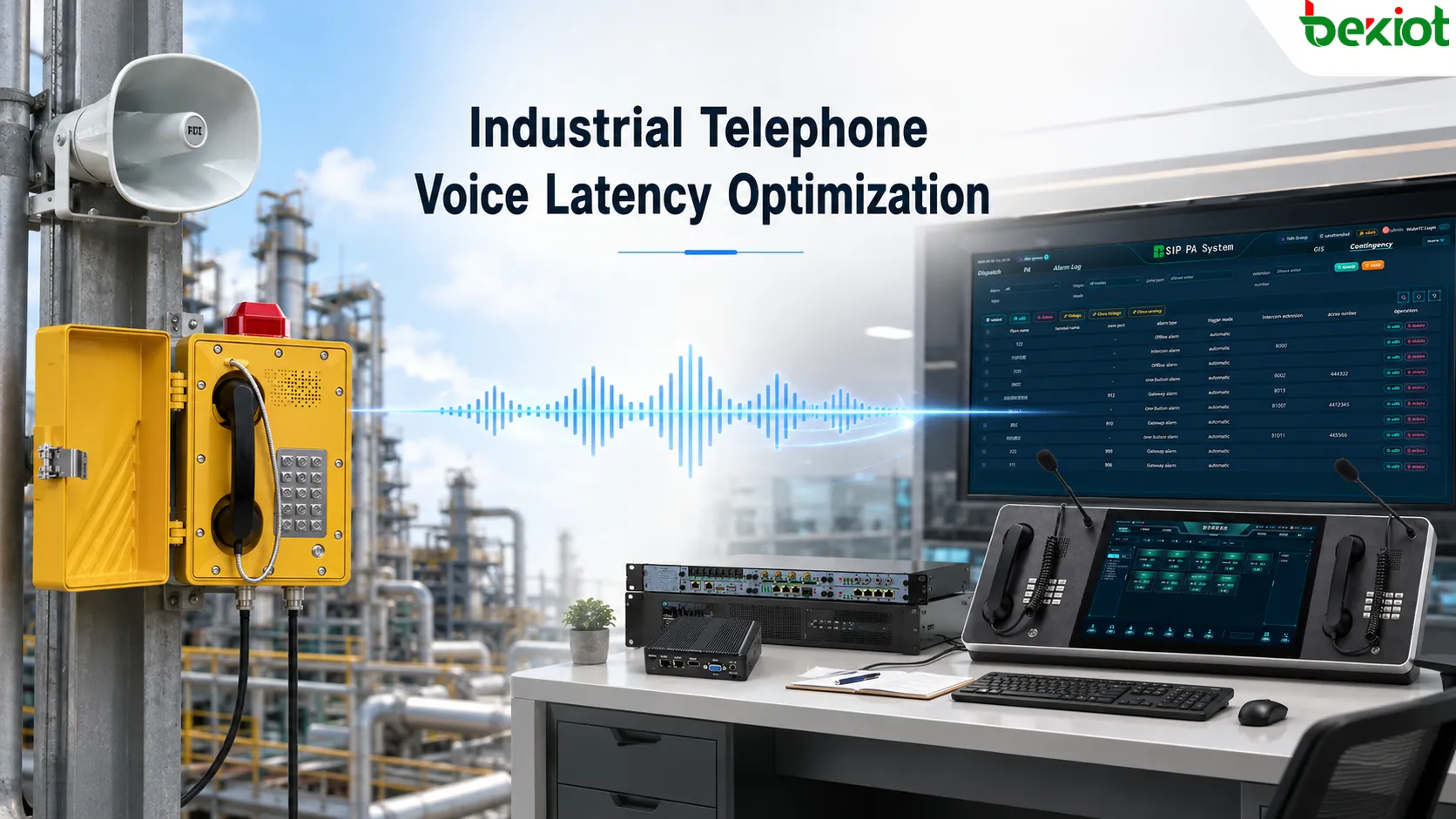
In einigen Branchen unterstützt eine Telefonplattform zudem spezialisierte Arbeitsabläufe. Sie kann mit SIP-Gegensprechanlagen, Durchsagesystemen, Notrufstellen, Leitstellenkonsolen oder robusten Kommunikationsendgeräten in Einrichtungen wie Fabriken, Campus, Verkehrsknotenpunkten, Versorgungsstandorten oder Industrieanlagen verbunden werden.
In diesen Umgebungen ist die Plattform nicht nur ein Bürowerkzeug, sondern Teil der betrieblichen Kommunikationsebene: Sie koordiniert Mitarbeiter, verteilt Durchsagen, verbindet Feldgeräte und unterstützt Prozesse zur Störungsbearbeitung.
Diese breite Anwendbarkeit ist einer der Gründe, warum viele Organisationen einen plattformorientierten Ansatz bevorzugen – statt einer eingeschränkten Lösung nur für Tischtelefone.
Auswahl der passenden Telefonplattform
Abstimmung der Plattform auf das Geschäftsmodell
Die passende Telefonplattform hängt von Unternehmensgröße, Benutzerverteilung, regulatorischen Anforderungen und betrieblichen Arbeitsabläufen ab. Ein kleines Büro legt Wert auf einfache Verwaltung und Kostengünstigkeit, ein standortübergreifendes Unternehmen priorisiert Integration, Redundanz, Analysen und zentralisierte Richtlinienkontrolle.
Zudem ist es wichtig zu prüfen, ob das Unternehmen hauptsächlich standardisierte Büroanrufe, Kundeninteraktionstools, betriebliche Kommunikation oder eine Kombination aus allen drei Bereichen benötigt. Je klarer diese Prioritäten definiert sind, desto einfacher fällt die Wahl der passenden Plattformarchitektur.
Eine auf dem Papier funktionsreiche Plattform kann ungeeignet sein, wenn sie nicht den realen Kommunikationsmustern der Organisation entspricht.
Bewertung von Skalierbarkeit, Integration und Administrierbarkeit
Unternehmen sollten über Basisfunktionen hinaus prüfen, wie sich die Plattform langfristig bewährt. Kann sie mehr Benutzer und Standorte unterstützen? Lässt sie sich mit SIP-Trunks, CRM-Systemen, Durchsageanlagen, Gegensprechanlagen oder Leitstellenwerkzeugen integrieren? Ist die Verwaltung zentralisiert und für das IT-Team praktikabel?
Sicherheit, Zuverlässigkeit und Herstellerunterstützung sind ebenfalls relevant. Sprachsysteme sind für viele Organisationen weiterhin geschäftskritisch – insbesondere bei Kundenanrufen, Betriebskoordination oder Notfallkommunikationswegen.
Ein fundierter Auswahlprozess konzentriert sich auf langfristige Nutzbarkeit, nicht nur auf kurzfristige Erfüllung einer Checkliste.
Fazit
Eine Telefonplattform ist das geschäftliche Kommunikationssystem, das Sprachdienste, Benutzeridentitäten, Routinglogik und Anruffunktionen unternehmensweit verwaltet. In modernen Umgebungen geht ihr Anwendungsbereich weit über herkömmliche Telefonie hinaus und unterstützt IP-Kommunikation, Softphones, Remote-Arbeit, Analysen sowie die Integration in umfassendere Geschäftstools.
Für Unternehmen, die eine skalierbare, verwaltbare und professionelle Kommunikation wünschen, ist die Telefonplattform eine strategische Grundlage – kein einfaches Hilfsmittel. Sie verbessert die Effizienz, stärkt die Kundeninteraktionen und gibt der Organisation mehr Kontrolle darüber, wie die Sprachkommunikation den täglichen Betrieb und zukünftiges Wachstum unterstützt.
Für Unternehmen, die IP-Telefonie, SIP-basierte Kommunikation oder branchenspezifische Sprachlösungen bewerten, bietet Becke Telcom Kommunikationsplattformen und zugehörige Lösungen für professionelle geschäftliche und betriebliche Umgebungen.
Häufig gestellte Fragen (FAQ)
Ist eine Telefonplattform dasselbe wie eine PBX?
Nicht ganz. Eine PBX ist oft nur ein Teil einer Telefonplattform. Der Begriff Telefonplattform hat eine breitere Bedeutung und kann IP-Telefonie, Softphones, SIP-Konnektivität, Verwaltungstools, Analysen und die Integration in andere Geschäftssysteme umfassen.
Unterstützt eine Telefonplattform Remote-Mitarbeiter?
Ja. Die meisten modernen Telefonplattformen ermöglichen die Remote-Nutzung über Softphones, mobile Apps, VPN-basierte Konnektivität oder Cloud-Zugriffsmethoden, sodass Mitarbeiter ihre geschäftliche Identität auch außerhalb des Büros nutzen können.
Welche Unternehmen benötigen eine Telefonplattform?
Praktisch jede Organisation, die auf professionelle Telefonie angewiesen ist, profitiert davon. Büros, Kundenservice-Teams, standortübergreifende Unternehmen, Schulen, Gesundheitseinrichtungen, Logistikbetriebe und Industrieorganisationen nutzen Telefonplattformen auf unterschiedliche Weise.
Worauf sollten Unternehmen bei der Auswahl einer Telefonplattform achten?
Sie sollten Anruffunktionen, Skalierbarkeit, einfache Administrierbarkeit, Integrationsmöglichkeiten, Sicherheit, Zuverlässigkeit, Bereitstellungsmodell und die Eignung des Systems für reale geschäftliche Kommunikationsabläufe bewerten.