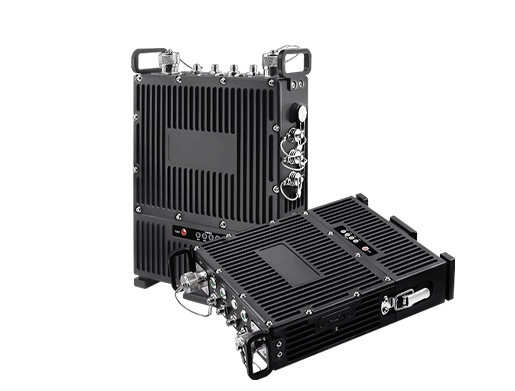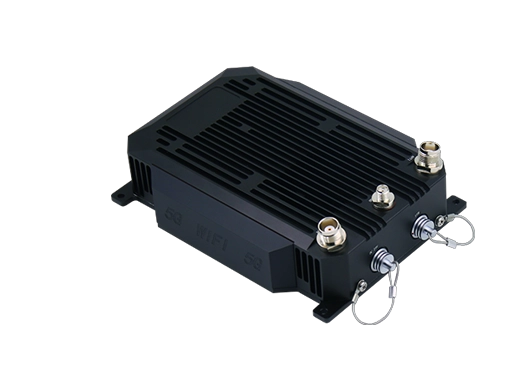


Ein VoIP-Gateway ist ein Gerät, das klassische Sprachsysteme und Telefonieschnittstellen mit IP-basierten Kommunikationsnetzen verbindet. Vereinfacht gesagt bildet es eine Brücke zwischen älteren Sprachumgebungen wie analogen Telefonen, PBX-Anlagen, PSTN-Leitungen oder digitalen T1/E1-Strecken und modernen VoIP-Plattformen, die SIP und RTP über ein IP-Netz verwenden. Dadurch müssen nicht alle Endgeräte und Leitungen sofort nativ IP-fähig sein; vorhandene Sprachinfrastruktur und neue Unified-Communications-Systeme können kontrolliert zusammenarbeiten.
Deshalb bleiben VoIP-Gateways in realen Kommunikationsprojekten sehr relevant. Viele Organisationen betreiben weiterhin analoge Geräte, digitale PBX-Systeme, Faxgeräte, Notruftelefone, Paging-Schnittstellen, Aufzugtelefone, Türsprechanlagen, Industrietelefone oder Carrier-Trunks, die nicht kurzfristig ersetzt werden können. Ein VoIP-Gateway ermöglicht Migration ohne vollständigen Austausch. Es schafft einen technischen Übergang zwischen alter Telefonie und IP-Sprachnetzen und unterstützt zugleich Interoperabilität, Ausfallsicherheit und Dienstkontinuität.
Definition eines VoIP-Gateways
Was ein VoIP-Gateway bedeutet
Ein VoIP-Gateway ist ein Medien- und Signalisierungs-Interworking-Gerät, das Nicht-IP-Sprachschnittstellen mit VoIP-Systemen verbindet. Je nach Ausführung kann es analoge Teilnehmergeräte über FXS-Ports, analoge Amtsleitungen über FXO-Ports oder digitale Leitungen wie T1, E1, PRI oder CAS mit einer IP-basierten Call-Control-Plattform verbinden. Auf der IP-Seite kommuniziert es typischerweise mit SIP-Servern, IP-PBX, Softswitches, IMS-Plattformen oder Unified-Communications-Systemen.
Der Begriff Gateway ist wichtig, weil das Gerät nicht einfach Pakete wie ein Switch weiterleitet. Es übersetzt zwischen unterschiedlichen Netzdomen und Sprachtechnologien. Eine klassische Telefonleitung überträgt Rufzustand, Wahl, Überwachung, Klingeln und Audio anders als ein IP-Sprachnetz. Das Gateway interpretiert diese Legacy-Signale, ordnet sie VoIP-Signalisierung und Mediensitzungen zu und führt den umgekehrten Vorgang für die Gegenrichtung aus.
In der Praxis kann ein VoIP-Gateway daher ein analoges Telefon an eine SIP-Plattform anbinden, einer IP-PBX den Zugriff auf PSTN-Trunks ermöglichen, eine ältere PBX mit SIP-Trunks verbinden oder Spezialgeräte während einer stufenweisen Migration zu All-IP-Kommunikation erhalten.
Warum VoIP-Gateways weiterhin wichtig sind
VoIP-Gateways bleiben wichtig, weil Kommunikationsinfrastrukturen meist schrittweise wachsen und nicht auf einmal ersetzt werden. Ein Unternehmen kann eine neue IP-PBX haben und trotzdem noch analoge Faxgeräte benötigen. Ein Verkehrsbetrieb kann SIP für Disposition und Intercom nutzen, aber E1-Verbindungen zu älteren Carrier-Diensten behalten. Ein Krankenhaus oder eine Fabrik kann die zentrale Kommunikation modernisieren und gleichzeitig analoge Notrufendgeräte oder Paging-Schnittstellen weiter nutzen.
In solchen Situationen bietet das Gateway Interoperabilität und Investitionsschutz. Organisationen können IP-Kommunikation dort einsetzen, wo sie den größten Nutzen bringt, während funktionsfähige Bestandsanlagen erhalten bleiben. Darum sind VoIP-Gateways häufig in Filialtelefonie, Contact Centern, Industriekommunikation, Hotellerie, Gesundheitswesen und Infrastrukturprojekten mit langen Lebenszyklen zu finden.
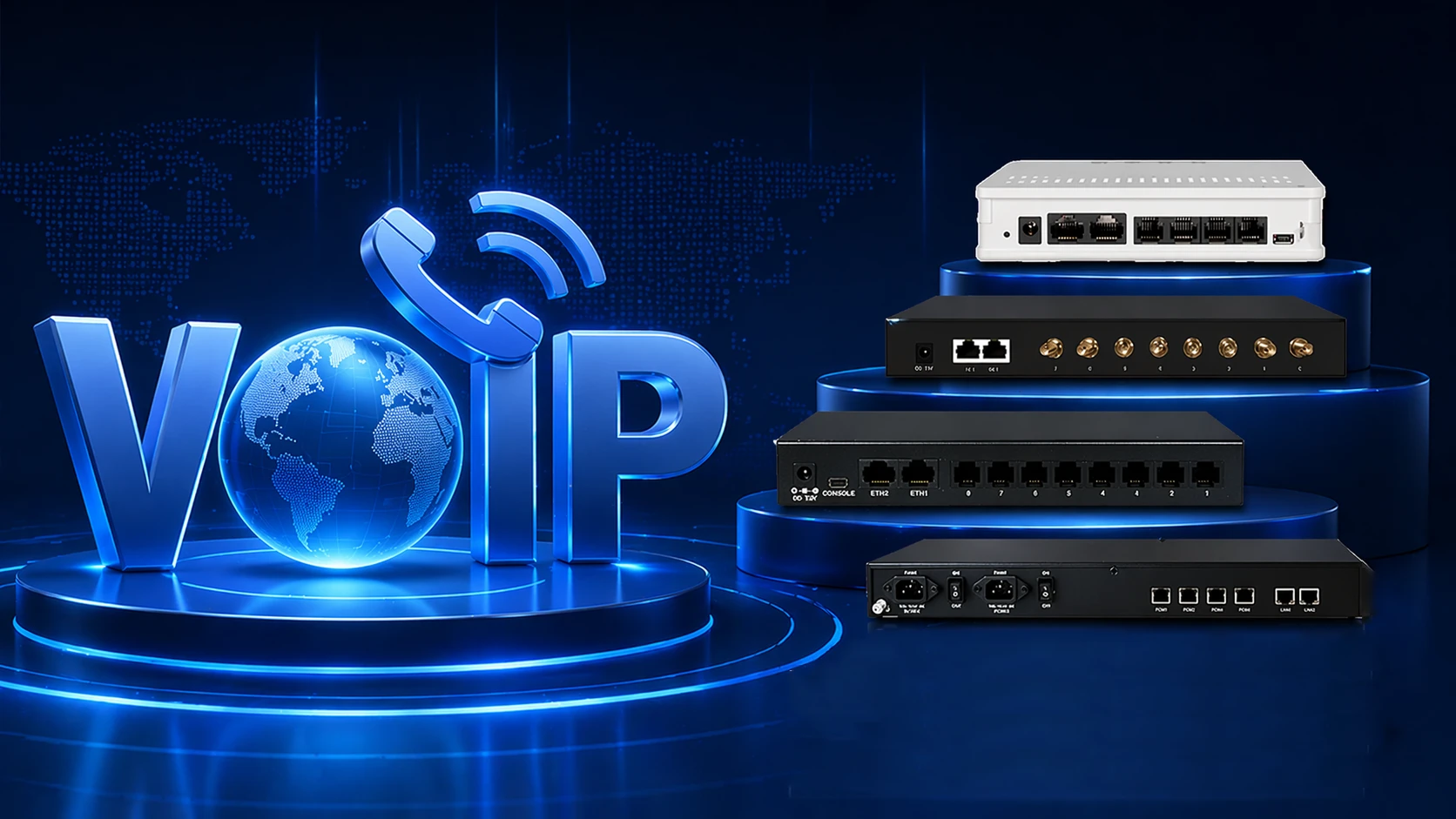
Ein VoIP-Gateway verbindet klassische Telefonieschnittstellen mit IP-Sprachplattformen, damit alte und moderne Kommunikationssysteme zusammenarbeiten können.
Wie ein VoIP-Gateway funktioniert
Signalisierungsumsetzung zwischen Legacy-Telefonie und IP
Eine Kernfunktion eines VoIP-Gateways ist die Signalisierungsumsetzung. Klassische Sprachsysteme verwenden andere Signalisierungsmethoden als IP-Sprachplattformen. Eine analoge Leitung zeigt Ereignisse wie Abheben, Auflegen, Rufspannung, DTMF, Polaritätswechsel und Überwachungstöne elektrisch an. Digitale Trunks verwenden strukturierte Kanalsignalisierung und Rufaufbaunachrichten. Eine VoIP-Plattform nutzt dagegen meist Protokolle wie SIP, um Anrufe im IP-Netz aufzubauen, zu ändern und zu beenden.
Beginnt ein Anruf auf der Legacy-Seite, erkennt das Gateway das Ereignis, interpretiert Wahlinformationen oder Leitungszustand und erzeugt die passende IP-Signalisierung zum VoIP-System. Beginnt ein Anruf auf der IP-Seite, empfängt es die VoIP-Signalisierung, ordnet sie der richtigen physischen oder digitalen Schnittstelle zu und stellt dem angeschlossenen Legacy-Gerät oder Trunk das passende Rufverhalten bereit. Diese Übersetzung lässt zwei sehr unterschiedliche Kommunikationsdomänen zusammenarbeiten.
Medienumsetzung zwischen Sprachschaltungen und paketiertem Audio
Neben der Signalisierung übernimmt das Gateway die Medienumsetzung. Klassische Telefonie transportiert Sprache als kontinuierlichen Strom oder als kanalisiertes Zeitmultiplex-Audio, während VoIP-Netze Echtzeitaudio als Paketmedien übertragen. Das Gateway digitalisiert daher bei Bedarf analogen Ton, paketiert Sprache für die IP-Übertragung, empfängt RTP-Ströme und rekonstruiert oder gibt Sprache zur Zielschnittstelle aus.
Dabei kann das Gateway Codec-Verarbeitung, Paket-Timing, Echokompensation, Jitter-Puffer, Pegelregelung, Stilleverarbeitung und Tonerzeugung anwenden. Diese Funktionen sind wichtig, weil ein erfolgreicher Anruf nicht nur vom Rufaufbau abhängt. Der Sprachpfad muss unter realen Netzbedingungen verständlich, stabil und betrieblich akzeptabel bleiben.
In vielen Systemen dient das Gateway auch als Medienanker für Spezialfälle wie Fax, Modemunterstützung, DTMF-Transport und Übersetzung von Rufverlaufstönen. Das ist besonders in Unternehmens- und Industrienetzen nützlich, in denen nichtsprachliche Signalisierungsgeräte weiterhin Telefonieschnittstellen nutzen.
Ein VoIP-Gateway verbindet nicht nur zwei Kabel. Es übersetzt Rufsteuerung und Medienverhalten zwischen Legacy-Telefonie und paketbasierter Sprache, damit zwei Kommunikationswelten als ein Dienst funktionieren.
Typische Netzwerkarchitektur eines VoIP-Gateways
Legacy-Seite, Gateway-Schicht und IP-Seite
Eine typische VoIP-Gateway-Architektur besteht aus drei logischen Schichten. Auf einer Seite befinden sich Legacy-Schnittstellen wie analoge Telefone, Faxgeräte, Notrufboxen, Intercom-Stationen, PBX-Anlagen oder PSTN-Trunks. In der Mitte sitzt das Gateway mit elektrischen, digitalen, Signalisierungs- und Medien-Interworking-Funktionen. Auf der anderen Seite liegt die IP-Domäne mit SIP-Server, IP-PBX, UC-Plattform, Softswitch, Session Border Controller oder Cloud-Sprachdienst.
Diese Schichtung ist nützlich, weil sie eine klare Trennung zwischen Legacy-Zugang und IP-Kommunikation schafft. Bei Problemen können Administratoren prüfen, ob sie auf der analogen oder digitalen Leitung, in der Gateway-Verarbeitung oder im SIP/IP-Netz dahinter entstehen. Das vereinfacht Fehlersuche und macht Migrationen leichter planbar.
Häufige Schnittstellentypen in realen Installationen
VoIP-Gateways gibt es in vielen Schnittstellenkombinationen. Analoge Gateways stellen meist FXS-Ports für analoge Telefone und FXO-Ports für analoge Amtsleitungen bereit. Einige Systeme unterstützen auch E&M-Signalisierung für ältere PBX- oder Funkintegrationen. Digitale Gateways unterstützen T1, E1, PRI, CAS oder andere strukturierte Telefonieschnittstellen von Carriern und älteren Geschäftstelefonsystemen. Auf der Netzseite bieten sie Ethernet und SIP-Integration.
Diese Flexibilität erklärt ihre weite Verbreitung. Ein Standort muss vielleicht einige analoge Notruftelefone, Faxgeräte, einen Paging-Controller und einen Legacy-PBX-Trunk verbinden. Ein anderer benötigt nur eine E1-Übergabe des Carriers und eine SIP-Verbindung zur Unternehmensplattform. Das Gateway-Modell wird nach Schnittstellenmix, Kanaldichte und Anwendung gewählt.
In größeren Projekten können Gateways auch hochdicht oder modular eingesetzt werden, sodass Organisationen von wenigen Ports bis zu Hunderten analoger oder digitaler Sprachkanäle skalieren können, ohne das Interworking-Konzept zu ändern.
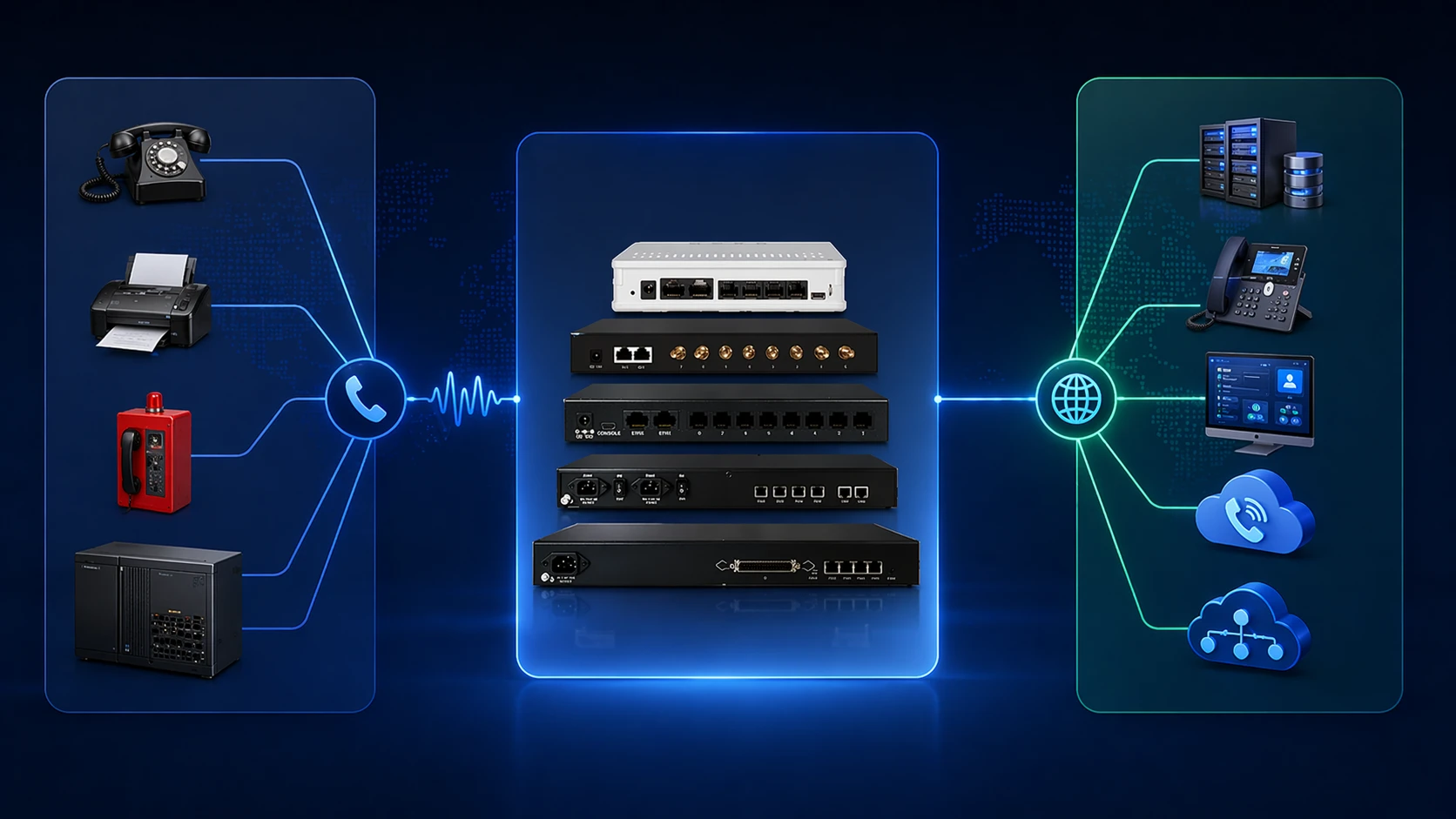
In einer typischen Installation sitzt das VoIP-Gateway zwischen Legacy-Telefonieschnittstellen und IP-Sprachplattform und übersetzt Signalisierung und Medien in beide Richtungen.
Kernfunktionen eines VoIP-Gateways
Protokoll- und Schnittstelleninteroperabilität
Die wichtigste Funktion eines VoIP-Gateways ist Interoperabilität. Es ermöglicht Geräten und Netzen, die nicht für direkte Kommunikation entwickelt wurden, kontrolliert Anrufe auszutauschen. Dazu gehören analoge Teilnehmeranschlüsse, analoge Trunks, digitale PSTN-Trunks, Legacy-PBX-Konnektivität und SIP-basierte IP-Telefonie. Damit schützt das Gateway die Kommunikationskontinuität in gemischten Umgebungen.
Besonders wertvoll ist dies bei Migrationen. Statt alle Endgeräte, Trunks und PBX-Systeme gleichzeitig zu ersetzen, kann das Gateway an einer strategischen Grenze eingesetzt werden und Legacy- sowie IP-Domänen koexistieren lassen. Das reduziert Unterbrechungen, verkürzt Upgrade-Zeiten und schafft Flexibilität für spätere Änderungen.
Codec-Verarbeitung und Medienanpassung
VoIP-Gateways sind für paketierte Sprachmedien ausgelegt und unterstützen häufig Codec-Anpassungen zwischen Legacy- und IP-Seite. Je nach Plattform gehören Codec-Aushandlung, Paketisierungskontrolle, Echokontrolle, Komfortgeräusch, Sprachaktivität, RTP-Statistiken und Echtzeit-Medienüberwachung dazu. Diese Funktionen verbessern die Zuverlässigkeit des Audio-Interworkings.
Für gemischte Netze ist das sehr praktisch. Carrier-Schnittstelle, analoger Port und SIP-Trunk verhalten sich möglicherweise nicht gleich. Das Gateway liefert die Medienbehandlung und Zeitsteuerung, die diese Unterschiede beherrschbar machen.
Routing, Wählplan und Call-Control-Integration
Viele VoIP-Gateways enthalten auch Rufrouting und Wählplanlogik. Sie können entscheiden, welche Trunkgruppe oder welcher IP-Peer einen Anruf trägt, Rufnummern manipulieren, Zielregeln anwenden und Verkehr gemäß Unternehmensrichtlinien lenken. Dadurch wird das Gateway Teil der Sprachsteuerungsarchitektur und nicht nur ein physischer Adapter.
In Filialnetzen kann dies lokale PSTN-Ausleitung für Notrufe oder Ersatzverkehr ermöglichen. In Carrier-Interconnect- oder Migrationsszenarien unterstützt es Nummernnormalisierung, eingehende DID-Zuordnung und kontrolliertes Routing zwischen alten und neuen Systemen. Diese Funktionen sind wesentlich, wenn mehrere Nummernpläne und Trunktypen gleichzeitig bestehen.
Betrieb, Monitoring und Survivability
Eine weitere wichtige Eigenschaft ist die betriebliche Verwaltbarkeit. Unternehmensgateways bieten meist Statusüberwachung, Alarme, Schnittstellenstatistiken, SIP-Sichtbarkeit, RTP-Sitzungsinformationen und Remote-Konfiguration. Das hilft Support-Teams zu erkennen, ob ein Problem in der Leitungsschnittstelle, der Call-Control-Schicht oder dem IP-Pfad liegt.
In manchen Installationen tragen Gateways auch zur Survivability bei. Sie können lokale Anrufe bei WAN-Störungen erhalten, auf analoge oder PSTN-Pfade zurückfallen oder kritischen Geräten eine Lifeline-Kontinuität bieten. Das ist wichtig für Notfallkommunikation, Industrie, Verkehr und Filialen, in denen Telefonie nicht vollständig von einer einzigen Upstream-Verbindung abhängen darf.
Die eigentliche Stärke eines VoIP-Gateways ist nicht nur Sprachumsetzung. Die Kombination aus Schnittstelleninteroperabilität, Medienanpassung, Rufrouting und Betriebskontrolle macht gemischte Telefonieumgebungen beherrschbar.
Häufige Typen von VoIP-Gateways
Analoge VoIP-Gateways
Analoge VoIP-Gateways werden eingesetzt, wenn analoge Geräte oder Leitungen an eine IP-Sprachplattform angeschlossen werden müssen. FXS-Gateways dienen typischerweise analogen Telefonen, Faxgeräten, Notrufhörern und ähnlichen Endgeräten. FXO-Gateways verbinden analoge PSTN-Leitungen oder PBX-Trunkports mit der VoIP-Umgebung. Sie sind üblich bei kleinen Büro-Migrationen, Hotelanlagen, Aufzugtelefonen, Notrufpunkten und Paging- oder Broadcast-Integrationen.
Da viele Betriebsgeräte weiterhin analoge Schnittstellen bereitstellen, bleiben analoge Gateways auch in modernen Netzen sehr praktisch. Sie erhalten zuverlässige Spezialgeräte, während die zentrale Rufsteuerung und der Transport in die IP-Domäne wechseln.
Digitale VoIP-Gateways
Digitale VoIP-Gateways werden verwendet, wenn strukturierte Telefonieleitungen wie T1, E1, PRI oder CAS mit SIP oder anderen IP-Sprachdiensten verbunden werden müssen. Sie sind häufig, wenn Unternehmen noch digitale Carrier-Trunks nutzen oder eine Legacy-PBX über TDM-Schnittstellen telefoniert, die an einen VoIP-Kern angebunden werden sollen.
Im Vergleich zu kleinen analogen Gateways sind digitale Gateways oft für höhere Kanaldichte und Carrier-Integration ausgelegt. Sie werden in Unternehmenszentralen, Multi-Site-PBX-Migrationen, Call Centern und Telekommunikationsumgebungen eingesetzt, in denen ein Gateway viele gleichzeitige Anrufe tragen kann.
Anwendungen von VoIP-Gateways
Legacy-PBX-Migration und SIP-Trunk-Integration
Eine der häufigsten Anwendungen ist die Verbindung einer Legacy-PBX mit einer modernen SIP-basierten Plattform oder einem Provider. So kann ein Unternehmen von alten Trunk-Modellen zu SIP-Trunking wechseln, ohne das gesamte Telefonsystem sofort zu ersetzen. Das Gateway übernimmt das Interworking, während Nummernpläne, Nutzerverhalten und Standorttelefonie während der Migration erhalten bleiben.
Dieser Fall ist verbreitet, weil Kommunikationsmodernisierung meist schrittweise erfolgt. Ein Gateway ermöglicht es, den Netzkern zu modernisieren und alte Telefone, Trunkkarten oder PBX-Komponenten bis zur nächsten Phase weiter zu nutzen.
Erhalt analoger Geräte in modernen IP-Netzen
Eine weitere wichtige Anwendung ist der Erhalt analoger Geräte in einer modernen IP-Umgebung. Faxgeräte, Aufzugtelefone, Notrufstationen, Industrietelefone, Türsprechanlagen, Overhead-Paging-Adapter, Alarmwählgeräte und Broadcast-Controller bleiben oft analog, obwohl der Rest des Standorts auf VoIP umgestellt wurde. Ein Gateway lässt diese Geräte über einen IP-Telefonie-Backbone weiterarbeiten.
Das ist wichtig, weil viele dieser Geräte sicherheits-, betriebs- oder regelbezogene Aufgaben erfüllen. Ein Austausch kann teurer und störender sein als die Integration über ein Gateway.
Filialen, Hotellerie und Multi-Site-Telefonie
VoIP-Gateways werden oft in Filialnetzen eingesetzt, in denen lokale analoge Zugänge mit zentraler IP-Telefonie kombiniert werden. Eine Filiale kann einige analoge Geräte, lokale PSTN-Leitungen und eine IP-Verbindung zur Zentrale haben. Statt einer vollständigen Legacy-PBX vor Ort kann ein Gateway die verbleibenden Nicht-IP-Schnittstellen an das zentrale Sprachsystem anbinden.
Hotels, Campusse, Krankenhäuser und verteilte Unternehmen profitieren von diesem Modell, weil es zentrale Verwaltung und lokale Schnittstellenbedürfnisse ausbalanciert. Es unterstützt auch stufenweise Modernisierung über viele Standorte hinweg.
Industrie-, Verkehrs- und kritische Kommunikationsumgebungen
VoIP-Gateways sind auch in Industrieanlagen, Verkehrseinrichtungen, Tunneln, Versorgungsnetzen, Häfen und kritischer Infrastruktur üblich. Dort entwickeln sich Kommunikationssysteme über lange Lebenszyklen. Ein Standort kann SIP-basierte Dispatch- oder Intercom-Plattformen nutzen und trotzdem analoge Notruftelefone, Legacy-Paging oder digitale Trunks zu alten Diensten benötigen.
In solchen Umgebungen wirkt das Gateway als Stabilitätsschicht. Es verbindet Legacy-Feldgeräte mit einem modernen IP-Kommunikations-Backbone, ohne einen sofortigen Austausch im gesamten Feld zu erzwingen. Das ist besonders wertvoll, wenn Verfügbarkeit, stufenweise Einführung und robuste Gerätelebenszyklen Updates komplexer machen als im Büro.
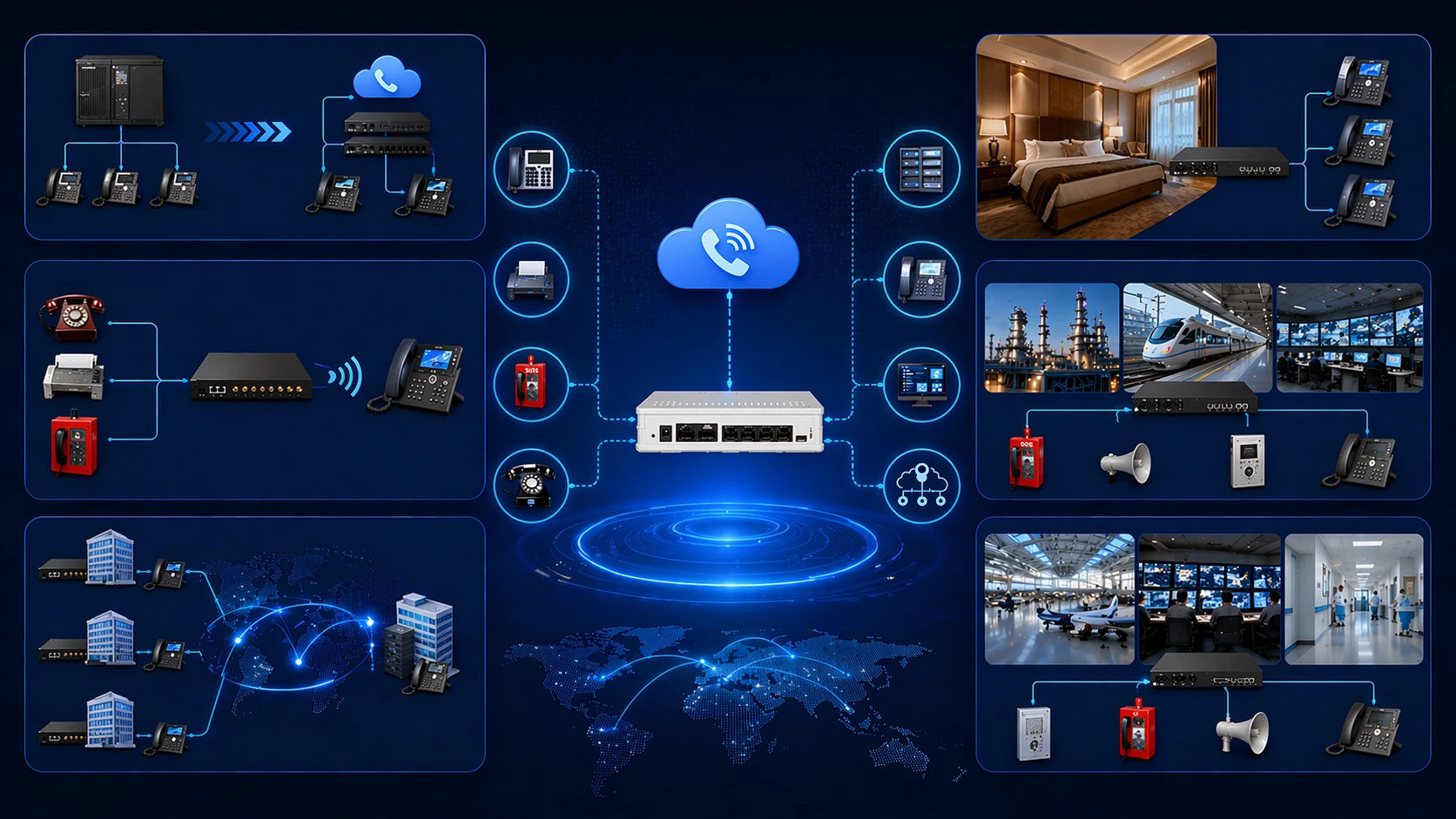
VoIP-Gateways werden für PBX-Migration, Erhalt analoger Geräte, Multi-Site-Telefonie und langlebige industrielle oder kritische Kommunikationsumgebungen genutzt.
Vorteile eines VoIP-Gateways
Investitionsschutz und schrittweise Modernisierung
Ein großer Vorteil eines VoIP-Gateways ist der Schutz bestehender Investitionen. Statt alte Telefone, Trunktechnik, PBX-Systeme und Zubehör sofort zu entsorgen, können Organisationen funktionierende Anlagen behalten und das Netz darum herum modernisieren. Das senkt oft Investitionskosten und vermeidet unnötige Unterbrechungen.
Es unterstützt auch realistischere Migrationsplanung. Kommunikationsteams können phasenweise aktualisieren, Koexistenz testen und Geräte nach geschäftlicher Priorität ersetzen statt nach künstlichen Fristen. Für viele Organisationen ist das praktikabler als ein einziger harter Cutover.
Interoperabilität und betriebliche Flexibilität
VoIP-Gateways geben Organisationen Flexibilität beim Design und Betrieb von Sprachnetzen. Sie können analoge, digitale und IP-Ressourcen kombinieren, lokale PSTN-Ausweichwege erhalten, entfernte Standorte mit unterschiedlichen Schnittstellen anbinden und eine Sprachplattform an verschiedene Feldumgebungen anpassen. Das ist in Multi-Vendor-Netzen und an Standorten mit unterschiedlicher Standardisierungsgeschwindigkeit hilfreich.
Betrieblich bedeutet das, dass das Netz nach realen Anforderungen und nicht nur nach einer Schnittstellentechnologie gestaltet werden kann. Das Gateway wird zum Anpassungspunkt für mehr architektonische Freiheit.
Für viele Organisationen ist der größte Wert eines VoIP-Gateways nicht technische Neuheit, sondern die Freiheit, Kommunikation zu modernisieren, ohne alle Legacy-Abhängigkeiten gleichzeitig aufzugeben.
Fazit
Warum VoIP-Gateways relevant bleiben
Ein VoIP-Gateway ist ein praktisches Interworking-Gerät, das Legacy-Sprachschnittstellen und Telefonienetze mit moderner IP-Kommunikation verbindet. Es übersetzt Signalisierung, konvertiert Medien, unterstützt analoge und digitale Schnittstellen und hilft Organisationen, traditionelle Telefonie mit VoIP-Plattformen zu verbinden. Dadurch ermöglicht es Migration, Interoperabilität und Dienstkontinuität in gemischten Kommunikationsumgebungen.
Seine anhaltende Relevanz entsteht aus der Praxis. Viele Unternehmen, öffentliche Einrichtungen und Industriestandorte nutzen weiterhin eine Mischung aus alten und neuen Sprachsystemen. Ein VoIP-Gateway macht diese Mischung beherrschbar. Ob PBX-Migration, Erhalt analoger Geräte, Filialintegration oder Modernisierung langlebiger Kommunikation: Das Gateway bleibt eines der nützlichsten Werkzeuge, um Legacy-Telefonie in die IP-Welt zu bringen.
FAQ
Was ist der Hauptzweck eines VoIP-Gateways?
Der Hauptzweck eines VoIP-Gateways ist die Verbindung klassischer Telefonieschnittstellen und -systeme mit einem IP-basierten Sprachnetz. Es übersetzt Signalisierung und Medien zwischen Legacy-Sprachtechnologien und VoIP-Protokollen, sodass Anrufe zwischen beiden Umgebungen laufen können.
Praktisch kann das bedeuten, analoge Telefone an eine SIP-Plattform anzubinden, einer IP-PBX analoge oder digitale Trunks zu ermöglichen oder eine alte PBX während einer Migration mit einem modernen VoIP-Netz zu verbinden.
Was ist der Unterschied zwischen einem FXS- und einem FXO-Gateway?
Ein FXS-Gateway wird typischerweise verwendet, um analoge Endgeräte wie Telefone, Faxgeräte oder Notrufhörer in ein VoIP-System einzubinden. Ein FXO-Gateway verbindet analoge Telefonleitungen oder PBX-Trunkports mit der VoIP-Umgebung.
Der Unterschied hängt davon ab, wohin der Port zeigt. FXS-Ports bedienen teilnehmerseitige Geräte, während FXO-Ports zur Leitungsseite verbinden. Beide können im selben Projekt vorkommen, wenn Endgeräte und Trunks integriert werden.
Kann ein VoIP-Gateway eine Legacy-PBX mit SIP-Trunking verbinden?
Ja. Das ist einer der häufigsten Anwendungsfälle. Das Gateway sitzt zwischen einer Legacy-PBX und einem SIP-basierten Dienst oder einer IP-PBX und konvertiert zwischen der alten Trunkschnittstelle sowie SIP-Signalisierung und RTP-Medien auf der IP-Seite.
So können Organisationen neue Carrier-Dienste oder IP-Sprachplattformen einführen, während die Legacy-PBX während einer stufenweisen Übergangsphase weiterläuft.
Wo werden VoIP-Gateways häufig eingesetzt?
VoIP-Gateways werden in Unternehmenstelefonie, Filialen, Hotellerie, Gesundheitswesen, Industrieanlagen, Verkehrsinfrastruktur und öffentlichen Sicherheits- oder Notfallkommunikationsnetzen eingesetzt. Sie sind besonders nützlich, wenn analoge oder digitale Telefoniegeräte mit einer IP-Sprachplattform koexistieren müssen.
Typische Beispiele sind Erhalt analoger Telefone, PSTN-Leitungsintegration, PBX-Migration, Faxunterstützung, Paging-Integration und Interworking zwischen langlebigen Feldgeräten und einem zentralen SIP-Kommunikationssystem.