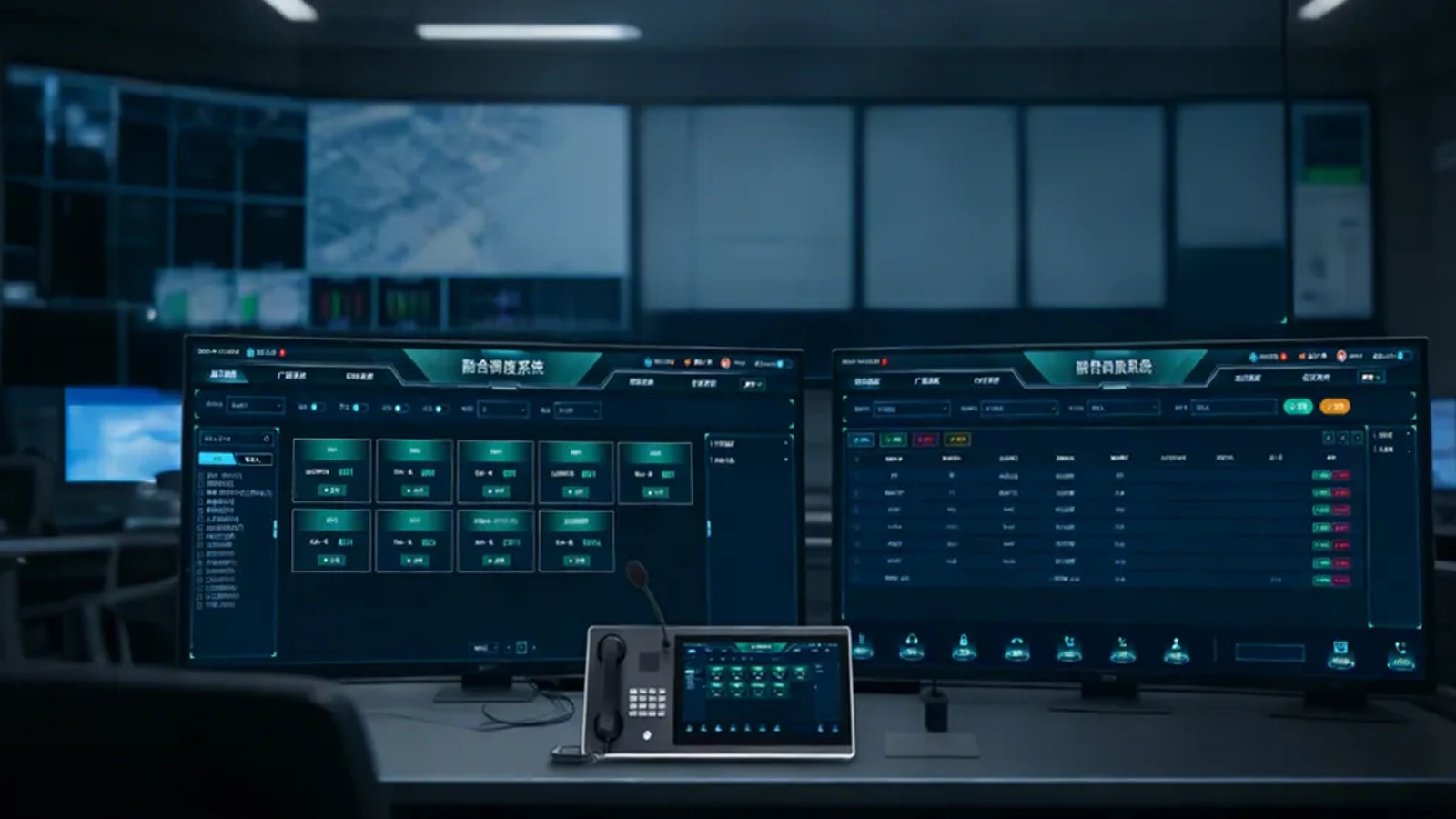
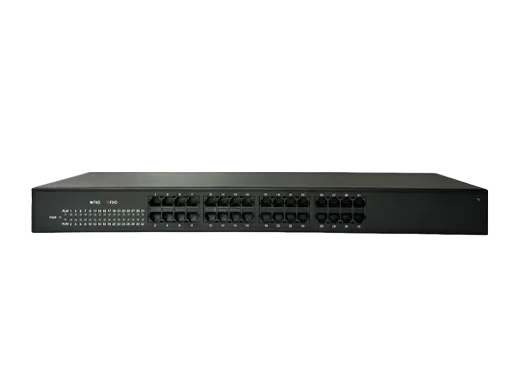
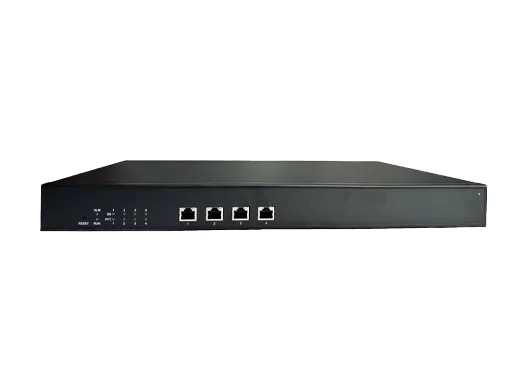
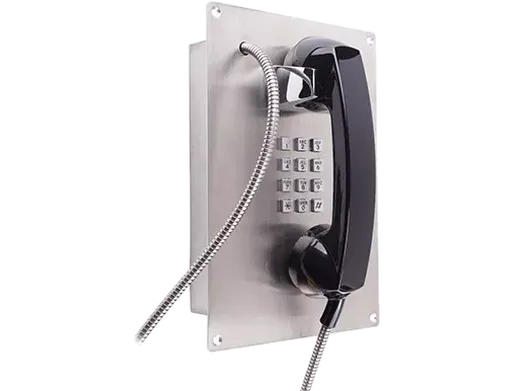
Von hybrider Arbeit bis hin zu intelligenteren Arbeitsplätzen, die Technologie und Berührungspunkte kombinieren, um außergewöhnliche Erfahrungen zu bieten.
Von hybrider Arbeit bis hin zu intelligenteren Arbeitsplätzen, die Technologie und Berührungspunkte kombinieren, um außergewöhnliche Erfahrungen zu bieten.
What is the working principle, advantages and application fields of acoustic feedback?
Acoustic feedback is the howling or ringing loop that occurs when a microphone picks up amplified sound from a speaker, affecting clarity, gain, stability, and audio system design.
Becke Telcom
What is the working principle, advantages and application fields of acoustic feedback?
Acoustic feedback is an audio phenomenon that occurs when sound from a loudspeaker returns to a microphone, is amplified again, and is sent back through the loudspeaker in a repeating loop. It is often heard as a sharp whistle, ringing tone, squeal, howl, or unstable rising sound. In public address systems, conference rooms, stage sound, classrooms, intercom systems, paging systems, and live events, acoustic feedback is one of the most common problems affecting audio quality and system stability.
In most practical audio applications, acoustic feedback is not a desirable effect. It can make speech difficult to understand, disturb listeners, damage the professional impression of a sound system, and in severe cases stress loudspeakers or amplifiers. However, understanding acoustic feedback has clear benefits. It helps engineers design better systems, place microphones and speakers correctly, set gain safely, use equalization more effectively, and apply feedback suppression technologies.
Acoustic feedback is closely related to microphone sensitivity, speaker output, room acoustics, gain structure, distance, directionality, reverberation, and frequency response. A system may work well at low volume but begin to feed back when the microphone gain is increased or when the microphone is moved closer to the loudspeaker. For this reason, feedback control is an essential skill in audio system design, installation, operation, and maintenance.
What Is Acoustic Feedback?
Definition and Core Meaning
Acoustic feedback is a self-reinforcing audio loop between a sound source, microphone, amplifier, and loudspeaker. The microphone captures sound, the amplifier increases it, and the loudspeaker outputs it. If that loudspeaker sound returns to the microphone strongly enough, it is amplified again. When the loop gain at certain frequencies becomes too high, the system becomes unstable and feedback occurs.
The core meaning of acoustic feedback is uncontrolled recirculation of sound energy. A sound system is supposed to amplify the intended source, such as a speaker’s voice or a musical instrument. Feedback happens when the system begins to amplify its own output instead of only the intended input.
The result is usually an unwanted tone. It may start as a slight ringing, then build into a loud whistle or howl. The exact pitch depends on the room, microphone, speaker, equalization, distance, and resonant frequencies in the feedback path.
Acoustic feedback happens when a sound system listens to itself and amplifies the same sound repeatedly.
Why Acoustic Feedback Matters
Acoustic feedback matters because it affects clarity, comfort, and reliability. In speech systems, feedback can mask spoken words and make announcements harder to understand. In meeting rooms, it interrupts communication. In live sound, it distracts performers and listeners. In emergency audio or paging systems, feedback can reduce message intelligibility at the wrong moment.
Feedback is also a sign that the system is operating too close to instability. It may indicate excessive microphone gain, poor speaker placement, unsuitable microphone direction, reflective room surfaces, incorrect equalization, or uncontrolled acoustic coupling between microphone and loudspeaker.
For installers and operators, acoustic feedback is therefore not only an annoying sound. It is useful diagnostic information showing that the system layout or gain structure needs improvement.
Acoustic feedback occurs when loudspeaker output returns to the microphone and is amplified repeatedly.
How Acoustic Feedback Works
The Feedback Loop
The feedback loop begins with an input signal. This may be a person speaking into a microphone, a performer singing, a call station sending audio, or an intercom microphone picking up local sound. The microphone converts acoustic sound into an electrical signal. The mixer, amplifier, or audio processor increases the signal level and sends it to a loudspeaker.
The loudspeaker then converts the electrical signal back into sound. If the microphone is close enough to the loudspeaker, pointed toward it, or located in a highly reflective room, part of that loudspeaker sound may return to the microphone. The microphone captures the returned sound, and the system amplifies it again.
When the repeated sound becomes stronger at one or more frequencies, the loop grows. This is the point where the familiar whistling or howling sound appears.
Loop Gain and Frequency Build-Up
Feedback depends on loop gain. Loop gain means the total amount of amplification around the entire feedback path, including microphone pickup, mixer gain, amplifier gain, loudspeaker output, room reflections, and sound returning to the microphone. If the loop gain at a certain frequency reaches or exceeds a critical level, feedback can occur.
Feedback usually appears first at the frequency where the system has the strongest loop response. This may be caused by microphone response peaks, speaker response peaks, room resonance, reflective surfaces, or equalizer settings. That is why feedback often sounds like a specific tone rather than broadband noise.
Different rooms and systems feed back at different frequencies. A small meeting room may ring at one frequency, while a large hall, tunnel, factory floor, or outdoor horn speaker system may behave differently.
Gain Before Feedback
Gain before feedback describes how much a sound system can be amplified before feedback begins. A system with high gain before feedback can make the desired sound loud enough without becoming unstable. A system with low gain before feedback starts howling or ringing before the sound reaches a useful level.
Improving gain before feedback is a major goal in audio design. It can be improved by increasing the distance between microphones and loudspeakers, using directional microphones, aiming loudspeakers away from microphones, reducing unnecessary gain, applying equalization, improving room acoustics, and using feedback suppression tools.
In many sound systems, the goal is not to eliminate every possible feedback risk under all conditions, but to create enough stable operating margin for normal use.
Gain before feedback is the practical limit between useful amplification and unstable audio behavior.
Feedback builds when amplified loudspeaker sound returns to the microphone and the loop gain becomes too high at certain frequencies.
Common Causes of Acoustic Feedback
Microphone Too Close to Loudspeaker
One of the most common causes of acoustic feedback is placing the microphone too close to the loudspeaker. The closer the microphone is to the speaker, the stronger the speaker sound that can return into the microphone. If the system gain is high, this close coupling can quickly create feedback.
This problem is common in small rooms, podium setups, classroom audio, karaoke systems, conference rooms, temporary event systems, and portable public address systems. It can also happen when a user walks in front of a speaker while holding a microphone.
A simple solution is to increase the distance between the microphone and loudspeaker and make sure the loudspeaker is aimed toward the audience, not toward the microphone.
Wrong Microphone Direction
Microphone direction has a strong effect on feedback. Directional microphones reject sound from certain angles and capture sound more strongly from others. If the microphone is pointed toward a loudspeaker or placed where its rejection area is not used correctly, feedback risk increases.
For example, a cardioid microphone should normally be aimed toward the speaker’s mouth and away from the loudspeaker. If the user holds it incorrectly or points it toward a monitor speaker, the system may lose gain before feedback.
Correct microphone handling and placement are therefore important parts of feedback prevention.
Excessive Gain or Poor Gain Structure
Excessive gain is another common cause. If microphone input gain, mixer channel gain, amplifier gain, or speaker level is set too high, the system becomes more sensitive to returned sound. Poor gain structure can make the system noisy, distorted, or unstable.
In a well-designed system, each stage should operate at an appropriate level. The microphone should be close enough to the intended voice, the preamp gain should be set correctly, and the amplifier should provide enough output without forcing the microphone channel into excessive gain.
Good gain structure improves clarity and reduces the chance of feedback.
Reflective Room Acoustics
Room acoustics can also cause feedback. Hard walls, glass, tile, concrete, metal surfaces, tunnels, warehouses, and large halls can reflect sound back toward microphones. These reflections may increase energy at certain frequencies and reduce system stability.
In reflective spaces, feedback may occur even when the microphone is not directly facing the speaker. The sound may bounce from walls, ceilings, floors, or equipment and return to the microphone through indirect paths.
Acoustic treatment, better speaker placement, directional loudspeakers, lower reverberation, and zone-based audio design can help reduce this problem.
Audio Effects of Acoustic Feedback
Howling, Ringing, and Whistling
The most obvious effect of acoustic feedback is howling, ringing, or whistling. The sound may begin softly and then rise quickly. In some systems, feedback appears as a high-pitched squeal. In others, it may sound like low-frequency rumble, mid-frequency ringing, or a resonant tone.
The pitch depends on which frequency becomes unstable first. High-frequency feedback often comes from microphone and speaker direction problems, while lower-frequency feedback may be related to room resonance, stage monitors, or large reflective spaces.
Regardless of pitch, feedback is usually distracting and should be controlled before the system is used for important communication.
Reduced Speech Intelligibility
Feedback reduces speech intelligibility because it masks the intended voice signal. Even mild ringing can make speech sound unnatural or difficult to understand. Strong feedback can completely cover announcements, instructions, or conversation.
In public address and emergency systems, this is a serious issue. People may hear that sound is present, but they may not understand the message. In workplaces, feedback can also create confusion or listener fatigue.
Good feedback control supports clearer speech and more reliable communication.
Listener Discomfort and System Stress
Loud feedback can be uncomfortable or painful for listeners. Sudden squeals can startle people, distract operators, and damage confidence in the audio system. In some cases, repeated high-level feedback may stress loudspeakers, amplifiers, or high-frequency drivers.
Although occasional feedback does not always cause equipment damage, it is a sign that the system is not operating in a stable or professional way. It should be addressed through design, setup, and operation rather than accepted as normal.
A stable system improves both listener comfort and equipment reliability.
Acoustic feedback can cause howling, ringing, reduced intelligibility, listener discomfort, and unstable audio performance.
Benefits of Understanding Acoustic Feedback
Better Audio System Design
Acoustic feedback is usually unwanted, but understanding it brings real benefits. The first benefit is better audio system design. When designers understand feedback paths, they can place microphones and loudspeakers more intelligently, choose suitable directivity patterns, and design coverage with enough gain before feedback.
In public address systems, meeting rooms, classrooms, industrial paging, transportation facilities, and live sound venues, feedback-aware design helps avoid problems before installation. This is more effective than trying to fix feedback after the system is already installed.
Good design reduces the need for extreme equalization, low microphone levels, or constant operator adjustment.
Improved Speech Clarity
Understanding feedback also improves speech clarity. A system that operates near the feedback threshold may sound harsh, unstable, or unclear even before full howling occurs. By reducing feedback risk, the system can maintain cleaner voice reproduction and more stable gain.
This is important in environments where spoken messages must be understood, such as conference rooms, schools, hospitals, factories, control rooms, stations, airports, and emergency announcement systems.
Feedback control helps preserve the natural quality of voice and keeps communication comfortable for listeners.
More Reliable Operation
A feedback-controlled system is easier to operate. Users do not need to constantly lower volume, change microphone position, or react to sudden ringing. Operators can set a stable level and focus on communication rather than emergency adjustments.
Reliability is especially important when non-technical users operate the system. A classroom teacher, receptionist, security guard, dispatcher, or meeting host should not need advanced audio engineering knowledge to avoid feedback during normal use.
Understanding feedback helps create systems that are more forgiving, predictable, and user-friendly.
The benefit of acoustic feedback knowledge is not the feedback itself, but the ability to design and operate audio systems that remain clear and stable.
Acoustic Feedback Control Methods
Microphone and Speaker Placement
Placement is the most important feedback control method. Microphones should be placed close to the intended sound source and away from loudspeaker output. Loudspeakers should be aimed toward listeners and away from microphones. The distance between microphone and speaker should be as large as practical.
In meeting rooms, speakers should not point directly at table microphones. In stage systems, monitor speakers should match microphone rejection angles. In public address systems, ceiling speakers, wall speakers, or horns should be zoned and aimed to reduce sound returning into microphones.
Good placement solves many feedback problems without needing complex processing.
Use of Directional Microphones
Directional microphones help reduce feedback by capturing sound mainly from the intended direction and rejecting sound from other directions. Cardioid, supercardioid, and hypercardioid microphones can improve gain before feedback when used correctly.
The microphone pattern must be matched to the speaker layout. A microphone with strong rear rejection should have loudspeakers positioned in its rejection zone. If the microphone is held incorrectly, covered by the hand, or pointed away from the speaker’s mouth, feedback risk increases.
Directional microphones work best when users are trained or when the installation naturally guides correct use.
Equalization and Notch Filtering
Equalization can reduce feedback by lowering the frequencies that are most likely to ring. A graphic equalizer, parametric equalizer, or digital signal processor can be used to reduce narrow frequency peaks. Notch filters are especially useful when feedback occurs at a specific frequency.
Equalization should be used carefully. Removing too much frequency content can make speech sound thin, unnatural, or unclear. The goal is to reduce unstable peaks while preserving sound quality.
Equalization is most effective when combined with proper placement and gain structure rather than used as the only solution.
Automatic Feedback Suppression
Automatic feedback suppression systems detect feedback frequencies and apply filters to reduce them. These systems may be built into digital mixers, audio processors, conference systems, public address controllers, or portable sound equipment.
Feedback suppression can be useful in systems where users move microphones, acoustic conditions change, or operators are not audio specialists. However, automatic suppression has limits. It cannot fully compensate for poor speaker placement, excessive gain, or severe room reflection.
The best results come from using feedback suppression as a support tool within a well-designed audio system.
Feedback control methods include better placement, directional microphones, proper gain structure, equalization, notch filters, and automatic suppression.
Applications of Acoustic Feedback Knowledge
Public Address and Paging Systems
Public address and paging systems must deliver speech clearly across offices, factories, campuses, stations, hospitals, warehouses, and public facilities. Feedback can occur when local microphones, paging stations, or announcement microphones are too close to speakers or when room reflections are strong.
Understanding feedback helps designers separate microphones from speakers, create suitable zones, control gain, and use processing when needed. This improves announcement quality and reduces the chance of sudden howling during live paging.
In large facilities, feedback control supports more stable daily communication and better emergency readiness.
Conference Rooms and Meeting Spaces
Conference rooms often include table microphones, ceiling microphones, wall speakers, display speakers, and remote conferencing systems. Feedback may occur when far-end audio from speakers is picked up by microphones and sent back into the system, or when local amplification is too strong.
In these spaces, acoustic feedback control works together with acoustic echo cancellation, microphone array design, speaker placement, automatic mixing, and room tuning. The goal is natural conversation without ringing, echo, or instability.
Good feedback control makes meetings more comfortable and reduces the need for users to adjust audio constantly.
Live Sound and Stage Monitoring
Live sound systems are especially sensitive to feedback because microphones and loudspeakers often operate at high levels in the same space. Singers, instruments, stage monitors, front-of-house speakers, and room acoustics all interact.
Feedback control in live sound includes microphone technique, monitor placement, directional microphones, equalization, soundcheck procedures, and operator experience. Stage monitor systems are often the most common feedback source because they are intentionally aimed toward performers.
Managing feedback well allows performers to hear themselves while keeping the audience mix clean and stable.
Industrial Communication and Emergency Audio
Industrial communication systems, emergency broadcast systems, and intercom networks may operate in noisy and reflective environments. Factories, tunnels, power plants, refineries, warehouses, and transportation facilities often require higher sound levels to overcome ambient noise.
Higher gain increases feedback risk when microphones, call stations, or control-room speakers are not properly positioned. Understanding acoustic feedback helps engineers design safer paging zones, choose directional speakers, set appropriate gain, and avoid placing microphones in strong speaker coverage areas.
In emergency audio, feedback control is important because messages must remain understandable under pressure.
Acoustic Feedback in Different Audio Systems
Analog Audio Systems
In analog audio systems, feedback control is usually handled through physical placement, mixer gain, analog equalizers, and operator adjustment. These systems can be simple and reliable, but they may require manual tuning and experienced operation.
Analog systems often show feedback behavior clearly. If the gain is raised too far, the system begins to ring. The operator may reduce gain or cut the unstable frequency. This direct behavior can be easy to understand but less adaptive than modern digital processing.
Good analog feedback control depends heavily on correct setup and disciplined operation.
Digital Audio Systems
Digital audio systems may include automatic mixers, digital signal processors, feedback suppressors, equalizers, limiters, adaptive filters, and presets. These tools can improve stability and make systems easier to manage.
However, digital processing is not a substitute for good acoustic design. If the microphone is placed directly in front of a loudspeaker at high gain, even advanced processing may not prevent feedback without reducing sound quality.
Digital systems are most effective when processing supports a well-planned physical layout.
Networked Audio and Intercom Systems
Networked audio and intercom systems may include microphones, speakers, paging zones, call stations, SIP endpoints, and control software across multiple locations. Feedback can occur locally in a room or through routing if audio is sent back to the source area incorrectly.
In these systems, feedback control includes routing logic, zone separation, local speaker muting during microphone use, echo cancellation, gain settings, and endpoint placement. Operators must understand where audio is being sent and which microphones may pick it up.
Networked systems can be very flexible, but that flexibility requires careful audio routing design to prevent feedback loops.
Acoustic feedback knowledge is used in public address, conference rooms, live sound, industrial paging, emergency audio, and networked intercom systems.
Design Considerations for Reducing Acoustic Feedback
Plan the Acoustic Layout Early
Feedback control should begin during the design stage. Microphone locations, speaker locations, room geometry, ceiling height, surface materials, background noise, and user behavior should be considered before equipment is installed.
If feedback control is ignored until commissioning, installers may need to lower volume, add heavy equalization, move speakers, change microphones, or add processors later. These changes can increase cost and may still not solve the root problem.
Early acoustic planning provides better results and reduces the need for corrective work.
Separate Input and Output Paths
A basic rule is to separate input and output paths. Microphones are audio inputs. Loudspeakers are audio outputs. The system becomes more stable when microphones capture the intended source clearly and receive as little loudspeaker output as possible.
This may involve physical distance, directional aiming, acoustic barriers, lower local speaker volume, automatic speaker muting, or separate zones. In intercom and conference systems, echo cancellation and automatic gain control may also help.
The clearer the separation between input and output, the more stable the audio system becomes.
Set Gain With Operating Margin
A system should not be adjusted so close to the feedback point that a small change causes ringing. Users may move microphones, doors may open, room occupancy may change, or background noise may increase. The system needs operating margin.
During commissioning, technicians may raise gain until ringing begins, identify the feedback point, and then reduce gain to create a safe margin. Equalization and feedback suppression may increase that margin, but excessive gain should still be avoided.
Stable gain settings make the system more reliable for everyday users.
Common Misunderstandings About Acoustic Feedback
Feedback Is Not the Same as Echo
Acoustic feedback and echo are different. Feedback is a self-reinforcing loop that creates ringing or howling. Echo is a delayed repetition of sound caused by reflections or signal delay. A room can have echo without feedback, and a system can have feedback without a clear echo.
The solutions may overlap, but they are not identical. Echo control may involve acoustic treatment, delay management, or echo cancellation. Feedback control focuses on reducing loop gain between microphones and loudspeakers.
Correctly identifying the problem helps choose the right solution.
Turning Down the Volume Is Not Always the Best Solution
Turning down volume can stop feedback, but it may also make the system too quiet for the audience. If the system cannot reach the required level without feedback, the real issue may be poor microphone placement, wrong speaker aiming, inadequate speaker coverage, bad room acoustics, or incorrect gain structure.
A better solution is to improve the system so it can achieve the required sound level with enough stability margin.
Volume reduction is a quick fix, but design correction is the long-term answer.
Feedback Suppressors Cannot Fix Every Problem
Automatic feedback suppressors are useful, but they cannot overcome every acoustic problem. If the microphone is too far from the speaker’s mouth, if loudspeakers point directly at microphones, or if the room is extremely reflective, the suppressor may need to apply too many filters and sound quality may suffer.
Feedback suppressors should be used as part of a complete strategy that includes placement, gain structure, equalization, and acoustic planning.
Technology helps most when the basic system design is already reasonable.
Maintenance and Testing Tips
Test the System at Real Operating Levels
Feedback testing should be done at realistic operating levels. A system may seem stable at low volume but feed back when used at the level needed for speech or announcements. Testing should include typical microphone positions, normal speaker zones, expected user behavior, and realistic room conditions.
In public address and emergency systems, testing should include live microphone use if live paging is part of the operation. In meeting rooms, testing should include local speech and remote audio. In stage systems, testing should include performer positions and monitor levels.
Realistic testing helps find feedback risks before users experience them.
Document Stable Settings
Once a system is tuned, stable gain settings, equalizer settings, processor presets, microphone positions, and speaker zones should be documented. This makes it easier to restore the system if settings are changed accidentally.
Documentation is especially important in shared spaces where many users or technicians may adjust equipment. Without records, a stable system can gradually become unstable.
Good documentation supports consistent audio performance over time.
Inspect Microphones and Speakers
Hardware condition can affect feedback. A damaged microphone grille, changed microphone model, moved speaker, loose bracket, blocked loudspeaker, or altered room layout can change the feedback behavior of the system.
Maintenance should include checking microphone placement, speaker aiming, mounting stability, cable condition, and processor settings. If feedback begins after a system has been stable, something in the physical or electronic path may have changed.
Regular inspection helps maintain gain before feedback and overall sound quality.
Conclusion
Acoustic feedback is a self-reinforcing audio loop that occurs when loudspeaker sound returns to a microphone, is amplified again, and repeats until ringing, whistling, squealing, or howling occurs. It is usually an unwanted problem in sound systems, but understanding it is essential for good audio design and operation.
Acoustic feedback works through loop gain, frequency build-up, microphone pickup, loudspeaker output, and room acoustics. Its common causes include microphones placed too close to speakers, incorrect microphone direction, excessive gain, poor gain structure, reflective spaces, and unsuitable speaker placement.
The benefits of understanding acoustic feedback include better system design, improved speech clarity, higher gain before feedback, more reliable operation, better commissioning, and more effective use of feedback suppression tools. In public address, conference rooms, live sound, industrial paging, emergency audio, and networked intercom systems, feedback control is a key part of stable and intelligible audio performance.
FAQ
What is acoustic feedback in simple terms?
Acoustic feedback is the whistling or howling sound that happens when a microphone picks up sound from a loudspeaker and sends it back through the system repeatedly.
It creates a loop where the same sound is amplified again and again.
Why does acoustic feedback happen?
Acoustic feedback happens when the sound returning from a loudspeaker to a microphone is strong enough to be amplified repeatedly. This can be caused by high gain, short distance between microphone and speaker, poor speaker aiming, reflective rooms, or unsuitable microphone placement.
It usually appears at the frequency where the audio loop is strongest.
How can acoustic feedback be reduced?
Acoustic feedback can be reduced by placing microphones away from speakers, aiming speakers away from microphones, using directional microphones, setting proper gain, applying equalization or notch filters, improving room acoustics, and using automatic feedback suppression when appropriate.
The best solution is usually a combination of good physical layout and proper audio tuning.
We use cookie to improve your online experience. By continuing to browse this website, you agree to our use of cookie.
Cookies
This Cookie Policy explains how we use cookies and similar technologies when you access or use our website and related services. Please read this Policy together with our Terms and Conditions and Privacy Policy so that you understand how we collect, use, and protect information.
By continuing to access or use our Services, you acknowledge that cookies and similar technologies may be used as described in this Policy, subject to applicable law and your available choices.
Updates to This Cookie Policy
We may revise this Cookie Policy from time to time to reflect changes in legal requirements, technology, or our business practices. When we make updates, the revised version will be posted on this page and will become effective from the date of publication unless otherwise required by law.
Where required, we will provide additional notice or request your consent before applying material changes that affect your rights or choices.
What Are Cookies?
Cookies are small text files placed on your device when you visit a website or interact with certain online content. They help websites recognize your browser or device, remember your preferences, support essential functionality, and improve the overall user experience.
In this Cookie Policy, the term “cookies” also includes similar technologies such as pixels, tags, web beacons, and other tracking tools that perform comparable functions.
Why We Use Cookies
We use cookies to help our website function properly, remember user preferences, enhance website performance, understand how visitors interact with our pages, and support security, analytics, and marketing activities where permitted by law.
We use cookies to keep our website functional, secure, efficient, and more relevant to your browsing experience.
Categories of Cookies We Use
Strictly Necessary Cookies
These cookies are essential for the operation of the website and cannot be disabled in our systems where they are required to provide the service you request. They are typically set in response to actions such as setting privacy preferences, signing in, or submitting forms.
Without these cookies, certain parts of the website may not function correctly.
Functional Cookies
Functional cookies enable enhanced features and personalization, such as remembering your preferences, language settings, or previously selected options. These cookies may be set by us or by third-party providers whose services are integrated into our website.
If you disable these cookies, some services or features may not work as intended.
Performance and Analytics Cookies
These cookies help us understand how visitors use our website by collecting information such as traffic sources, page visits, navigation behavior, and general interaction patterns. In many cases, this information is aggregated and does not directly identify individual users.
We use this information to improve website performance, usability, and content relevance.
Targeting and Advertising Cookies
These cookies may be placed by our advertising or marketing partners to help deliver more relevant ads and measure the effectiveness of campaigns. They may use information about your browsing activity across different websites and services to build a profile of your interests.
These cookies generally do not store directly identifying personal information, but they may identify your browser or device.
First-Party and Third-Party Cookies
Some cookies are set directly by our website and are referred to as first-party cookies. Other cookies are set by third-party services, such as analytics providers, embedded content providers, or advertising partners, and are referred to as third-party cookies.
Third-party providers may use their own cookies in accordance with their own privacy and cookie policies.
Information Collected Through Cookies
Depending on the type of cookie used, the information collected may include browser type, device type, IP address, referring website, pages viewed, time spent on pages, clickstream behavior, and general usage patterns.
This information helps us maintain the website, improve performance, enhance security, and provide a better user experience.
Your Cookie Choices
You can control or disable cookies through your browser settings and, where available, through our cookie consent or preference management tools. Depending on your location, you may also have the right to accept or reject certain categories of cookies, especially those used for analytics, personalization, or advertising purposes.
Please note that blocking or deleting certain cookies may affect the availability, functionality, or performance of some parts of the website.
Restricting cookies may limit certain features and reduce the quality of your experience on the website.
Cookies in Mobile Applications
Where our mobile applications use cookie-like technologies, they are generally limited to those required for core functionality, security, and service delivery. Disabling these essential technologies may affect the normal operation of the application.
We do not use essential mobile application cookies to store unnecessary personal information.
How to Manage Cookies
Most web browsers allow you to manage cookies through browser settings. You can usually choose to block, delete, or receive alerts before cookies are stored. Because browser controls vary, please refer to your browser provider’s support documentation for details on how to manage cookie settings.
Contact Us
If you have any questions about this Cookie Policy or our use of cookies and similar technologies, please contact us at support@becke.cc .