

Ein Paging-System ist die Sprachkommunikationsebene für Durchsagen, Warnungen, Anweisungen und Notfallmeldungen in Gebäuden, Campusbereichen, Fabriken, Tunneln, Verkehrsanlagen und öffentlichen Bereichen. Für Käufer geht es nicht nur um Lautsprecher, sondern um eine Lösung, die Umgebung, Zonen, Notfallabläufe, Integration und künftige Erweiterung abdeckt.
Dieser Leitfaden zeigt, wie ein System von den realen Projektanforderungen über Architektur, Geräte, Netzwerk, Notfallreaktion, Integration und Gesamtkosten bewertet wird.
Was ist ein Paging-System?
Ein Paging-System überträgt Sprachdurchsagen, Signaltöne, geplante Meldungen, Notfallwarnungen und Betriebsanweisungen über Lautsprecher, Verstärker, IP-Endpunkte, Gateways oder integrierte Plattformen.
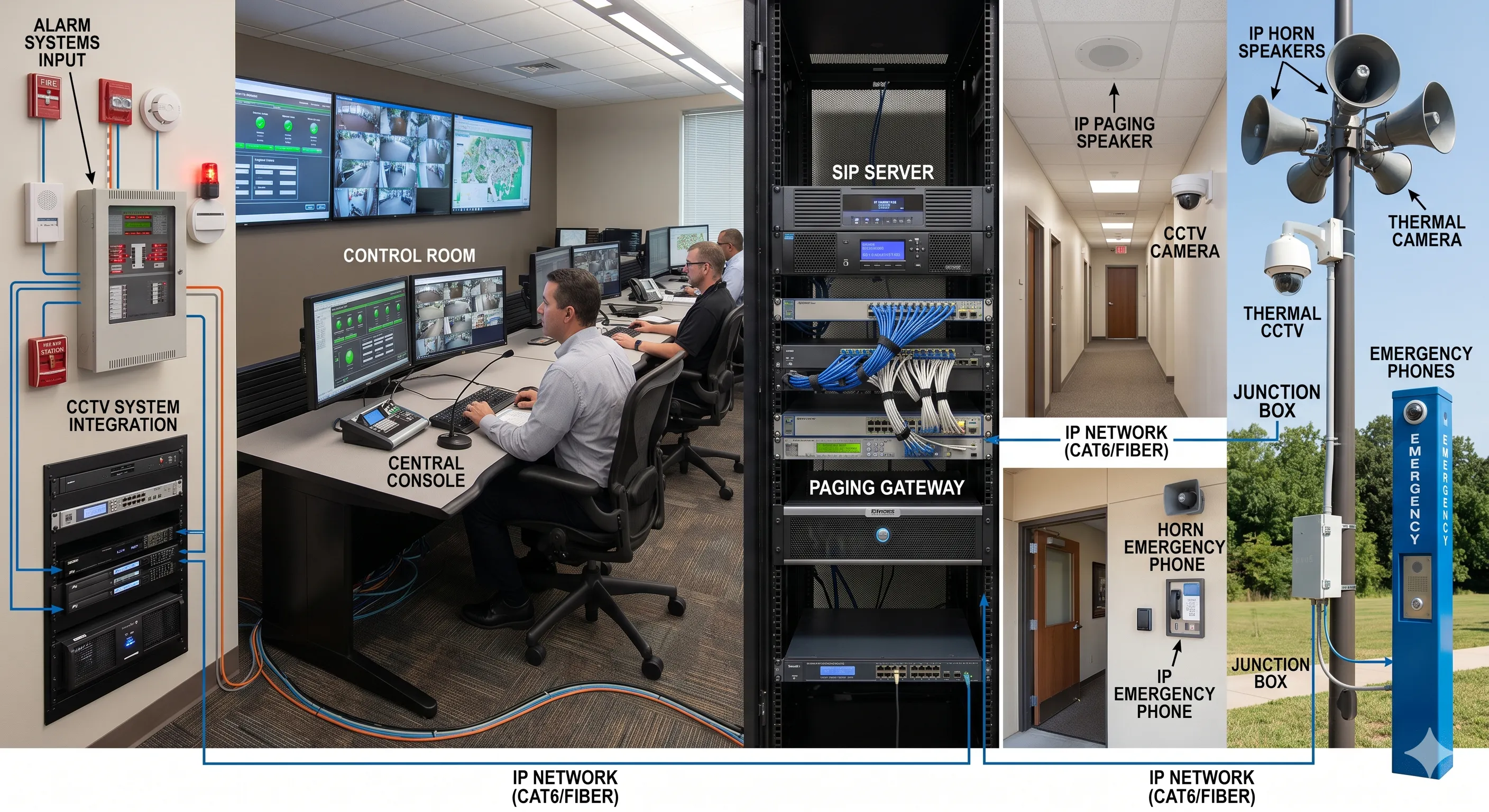
Ein einfaches System kann nur Deckenlautsprecher bedienen. Ein modernes IP- oder SIP-System unterstützt Zonen, Multicast-Audio, SIP-Anrufe, gespeicherte Notfallmeldungen, alarmgesteuerte Durchsagen, visuelle Alarme, Gegensprechen und Leitstellenintegration.
Wie ein System vor der Auswahl bewertet wird
Die Auswahl sollte einem klaren Prozess folgen: Umgebung, Kommunikationsziel, Notfallanforderungen, Nutzergruppen, Integrationen und Erweiterung müssen vor dem Preisvergleich definiert sein.
Die folgenden sieben Schritte bilden einen vollständigen Entscheidungsweg über Anforderungen, Akustik, Architektur, Geräte, Netzwerk, Notfallabläufe und langfristigen Betriebswert.
Schritt 1: Nutzung und Standortanforderungen definieren
Zuerst wird geklärt, wie das System genutzt wird. Schule, Krankenhaus, Büro, Fabrik, Tunnel, Bahnhof oder Außenanlage haben unterschiedliche Prioritäten.
Käufer sollten festlegen, ob tägliche Durchsagen, Notfallbenachrichtigung, Produktionskoordination, Fahrgastführung, Sicherheitsreaktion oder Mehrzweckkommunikation im Vordergrund stehen.
Tägliche Durchsagen
Büros, Schulen, Hotels, Krankenhäuser, Handel und öffentliche Gebäude nutzen Paging für Routinehinweise, Serviceinformationen, Besucherführung und allgemeine Durchsagen. Klarheit, Zonen, einfache Bedienung und saubere Installation sind wichtiger als extreme Leistung.
Notfallbenachrichtigung
Sicherheitskritische Standorte benötigen Priorität, zuverlässige Zustellung, Alarmkopplung, gespeicherte Meldungen, Live-Durchsagen und klare Anweisungen. Das System muss Teil des Notfallablaufs sein.
Industrie- und raue Umgebungen
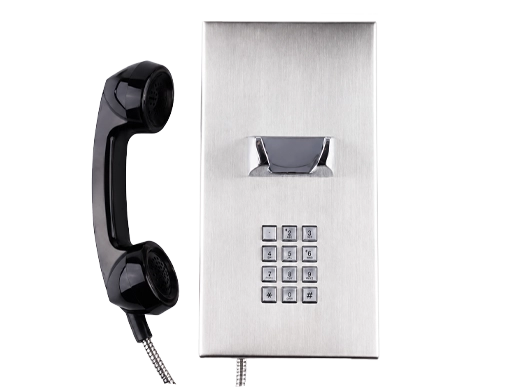
Fabriken, Tunnel, Minen, Umspannwerke, Häfen, petrochemische Anlagen und Außeninfrastruktur benötigen oft robuste Hornlautsprecher, visuelle Alarme, Industrie- und Notruftelefone, Korrosions- und Wetterschutz sowie stabilen Betrieb bei Lärm, Staub, Feuchte, Vibration oder Temperatur.
Schritt 2: Abdeckung, Zonen und Akustik planen
Zuerst wird geklärt, wie das System genutzt wird. Schule, Krankenhaus, Büro, Fabrik, Tunnel, Bahnhof oder Außenanlage haben unterschiedliche Prioritäten.
A good paging system should not simply be loud; it must deliver clear and understandable voice to the correct area.
Zonen-Paging
Zone paging sends announcements to selected areas rather than the entire facility, such as buildings, workshops, warehouses, docks, control rooms, hazardous areas and yards.
Good zone design reduces noise pollution and message fatigue while still allowing emergency override for full-site notification.
Sprachverständlichkeit und STIPA-Messung
Speech intelligibility is more important than loudness. Reverberation, noise or poor speaker placement can make messages unclear even when sound pressure is high.
STIPA, standardized in IEC 60268-16, objectively measures intelligibility from 0 to 1. For emergency systems, international standards and GB/T 50526-2021 often require at least 0.5 in critical zones, so verification reports or post-installation measurement should be planned.
Innen- und Außenabdeckung
Indoor areas need balanced coverage and clean installation; outdoor areas may require longer throw, higher SPL, waterproofing, anti-corrosion, surge protection and careful mounting.
Schritt 3: Die richtige Architektur wählen
Once requirements and zones are clear, buyers can choose analog, IP, SIP-based or hybrid paging architecture.
Analoge Systeme
Analog systems use amplifiers, audio cables, microphones and speakers. They remain practical for small sites with basic announcements.
Their limitation is flexibility: more cabling, hardware zoning, manual maintenance and limited integration.
IP-Systeme
IP systems use the data network to send audio to IP speakers, SIP speakers, gateways, amplifiers and platforms, supporting Ethernet, PoE, network configuration, central management and software zones.
IP paging suits campuses, hospitals, industrial parks, transport sites, logistics centers and multi-building projects.
SIP-basierte Systeme
SIP-based systems use the same protocol as IP phones, SIP intercoms, IP PBX and VoIP platforms; staff can dial a paging extension from phones, consoles or emergency stations.
Where SIP phones, IP PBX, dispatch systems or industrial telephones already exist, SIP paging reduces silos and unifies voice and PA.
Hybride Systeme
Hybrid systems combine existing analog infrastructure with IP or SIP components, useful when amplifiers, speaker lines or ceiling speakers can still be reused.
With adapters, SIP gateways or network audio interfaces, buyers can modernize control, add SIP access, improve zones and integrate emergencies without replacing every speaker.
Internationale Normen und Compliance für Notfall-Paging
When a paging system is intended for emergency notification or life safety, it must comply with international and local standards that define performance, certification, installation and testing beyond ordinary commercial audio.
Buyers should confirm applicable standards before specifications are finalized.
IEC 60849 / EN 50849 — Beschallung für Notfälle
This standard should be considered during design, equipment selection, commissioning and acceptance for emergency paging projects.
EN 54-16 / ISO 7240-16 — Sprachalarmsteuerung
This standard should be considered during design, equipment selection, commissioning and acceptance for emergency paging projects.
EN 54-24 / ISO 7240-24 — Lautsprecher für Sprachalarm
This standard should be considered during design, equipment selection, commissioning and acceptance for emergency paging projects.
GB 16851 und verwandte nationale Normen
This standard should be considered during design, equipment selection, commissioning and acceptance for emergency paging projects.
Referencing applicable standards at the design stage helps ensure the system can be certified, accepted by authorities and relied upon during critical events.
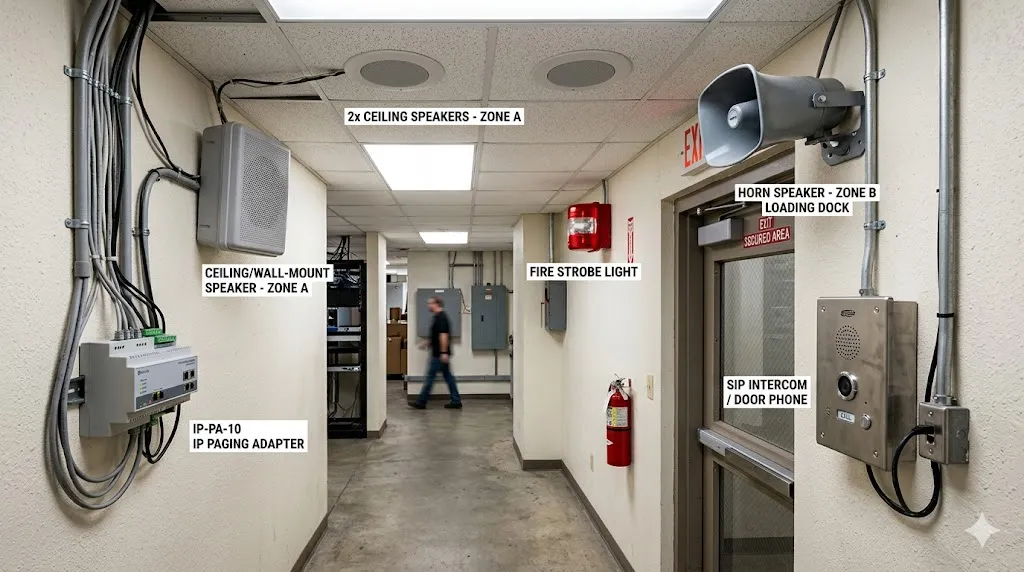
Schritt 4: Geeignete Geräte auswählen
Device selection should be based on acoustic conditions, mounting location, coverage distance, environmental protection, protocol, installation method, maintenance access and message type.
Different spaces need different endpoints; a quiet office, hospital corridor, high warehouse, noisy workshop, outdoor parking area and tunnel should not share one speaker layout.
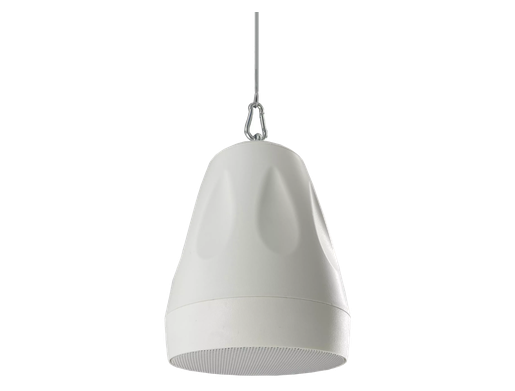
Deckenlautsprecher
Select this device type when its mounting style, coverage distance and environmental rating match the site requirement.
Wandlautsprecher
Select this device type when its mounting style, coverage distance and environmental rating match the site requirement.
Hornlautsprecher
Select this device type when its mounting style, coverage distance and environmental rating match the site requirement.
Talk-back-Lautsprecher und Sprechstellen
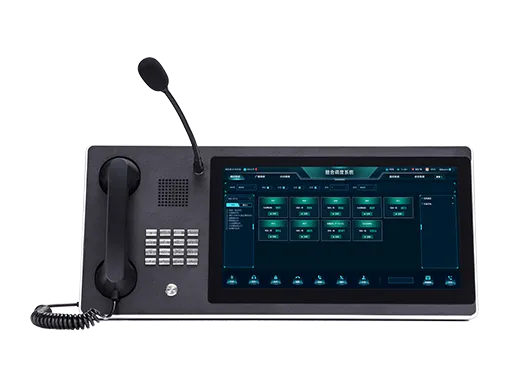
Select this device type when its mounting style, coverage distance and environmental rating match the site requirement.
Blitzleuchten und visuelle Alarme
Select this device type when its mounting style, coverage distance and environmental rating match the site requirement.
IP-Adapter und Gateways
Select this device type when its mounting style, coverage distance and environmental rating match the site requirement.
Schritt 5: Netzwerk, Stromversorgung und Zuverlässigkeit planen
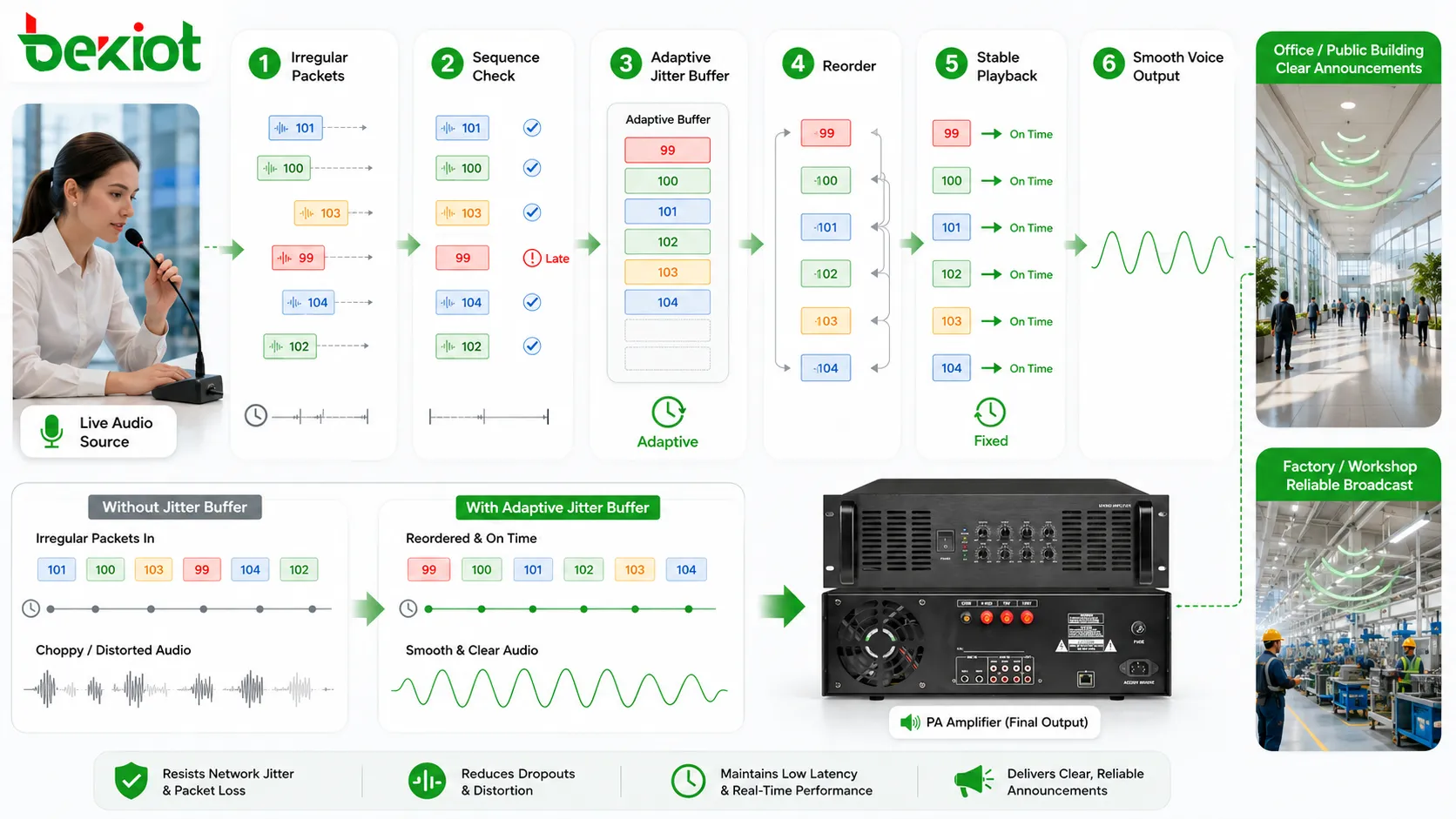
For IP and SIP paging, network and power design directly affect reliability. Check PoE capacity, switches, VLANs, QoS, multicast, cable distance, surge protection, outdoor protection, UPS and redundancy.
For emergency projects, backup power and network resilience must be planned early so the system does not fail because one switch, cable route or power source was ignored.
Multicast-Paging
Confirm this design item before deployment, because it affects audio delivery, scalability and emergency reliability.
Unicast-Paging
Confirm this design item before deployment, because it affects audio delivery, scalability and emergency reliability.
PoE und Backup-Strom
Confirm this design item before deployment, because it affects audio delivery, scalability and emergency reliability.
Schritt 6: Integration und Notfallabläufe planen
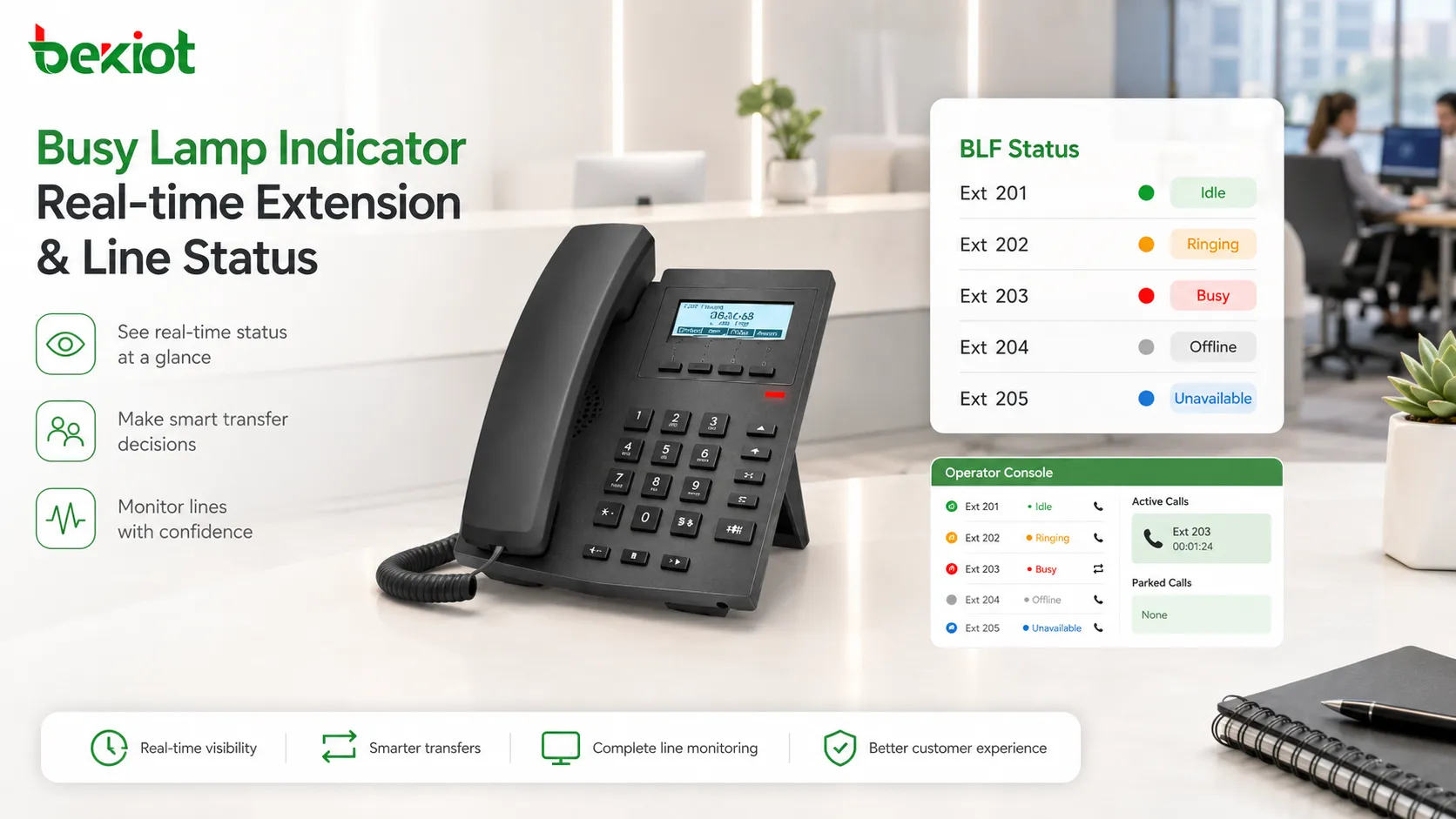
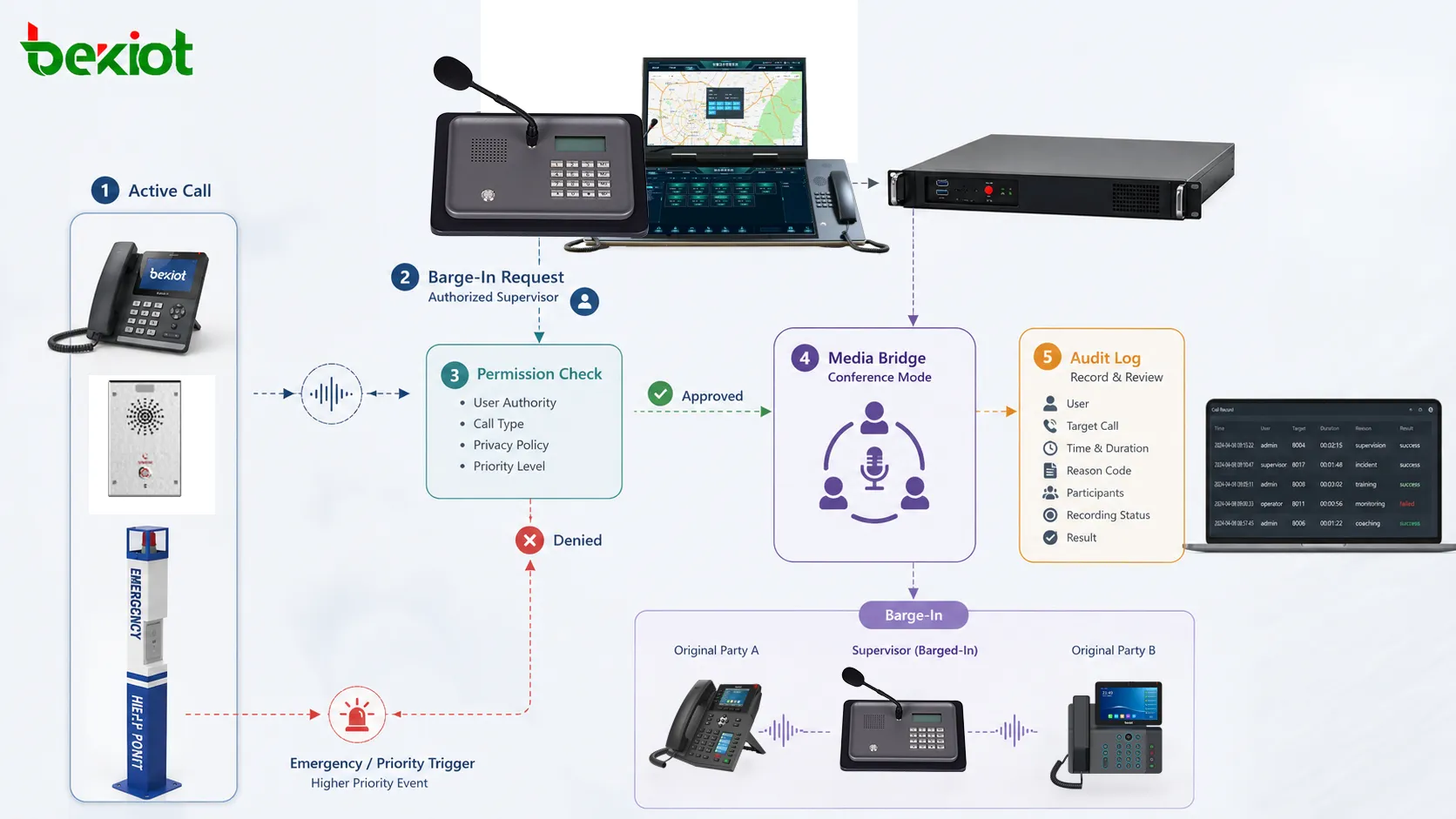
A paging system gains value when connected with IP PBX, SIP servers, emergency phones, industrial telephones, dispatch platforms, CCTV, fire alarms, access control, sensors, SCADA and building management systems.
Notfallpriorität
This function helps operators deliver the right instruction, verify the situation and coordinate the next action during normal operation or emergencies.
Gespeicherte Notfallmeldungen
This function helps operators deliver the right instruction, verify the situation and coordinate the next action during normal operation or emergencies.
Alarmgesteuerte Durchsage
This function helps operators deliver the right instruction, verify the situation and coordinate the next action during normal operation or emergencies.
CCTV- und Leitstellenkopplung
This function helps operators deliver the right instruction, verify the situation and coordinate the next action during normal operation or emergencies.
SIP- und Plattformintegration
This function helps operators deliver the right instruction, verify the situation and coordinate the next action during normal operation or emergencies.
For emergency use, the best paging system is not the loudest one. It delivers the right instruction to the right zone with the right priority and helps operators coordinate the next action.
Schritt 7: Wartung, Erweiterung und Gesamtkosten bewerten
The final step is comparing long-term value, including equipment, cabling, installation, configuration, software, commissioning, training, maintenance, spare parts, expansion and upgrades.
Analog systems may look cheaper, IP systems may reduce future expansion cost, and hybrid systems can protect existing investment if carefully designed.
Wartung und Gerätemanagement
Evaluate this item over five to ten years rather than only by initial quotation.
Erweiterungsplanung
Evaluate this item over five to ten years rather than only by initial quotation.
Gesamtbetriebskosten
Evaluate this item over five to ten years rather than only by initial quotation.
Checkliste vor dem Kauf
Before approving a proposal, check whether the solution matches real site conditions instead of only comparing product names and prices.
Abdeckung und Akustik
Confirm the requirement, responsible users, verification method and future change possibility before purchase.
Zonen und Berechtigungen
Confirm the requirement, responsible users, verification method and future change possibility before purchase.
Notfallablauf und Compliance
Confirm the requirement, responsible users, verification method and future change possibility before purchase.
SIP- und Plattformkompatibilität
Confirm the requirement, responsible users, verification method and future change possibility before purchase.
Strom und Netzwerkresilienz
Confirm the requirement, responsible users, verification method and future change possibility before purchase.
Häufige Fehler beim Kauf
Many problems are created before installation when hardware price is prioritized over system design.
Using the same speaker everywhere is a common mistake; each environment needs a suitable device.
Ignoring emergency priority can make a daily announcement system fail during critical events.
Treating paging as isolated prevents integration with SIP phones, emergency phones, CCTV, alarms, dispatch and control room workflows.
Do not underestimate network and power design because switches, PoE, VLANs, multicast and backup power affect performance.
Overlooking certification and testing can cause regulatory rejection or unreliable emergency performance.
Typische Einsatzbereiche
Paging systems are used across many industries, but design priorities change by environment.
Industrieanlagen
Typical needs include routine communication, coordination, public information, safety reminders, emergency evacuation and alarm notification.
Schulen und Campus
Typical needs include routine communication, coordination, public information, safety reminders, emergency evacuation and alarm notification.
Krankenhäuser und Gesundheitswesen
Typical needs include routine communication, coordination, public information, safety reminders, emergency evacuation and alarm notification.
Verkehr und öffentliche Bereiche
Typical needs include routine communication, coordination, public information, safety reminders, emergency evacuation and alarm notification.
Tunnel und Versorgungsanlagen
Typical needs include routine communication, coordination, public information, safety reminders, emergency evacuation and alarm notification.
Lösungsempfehlung
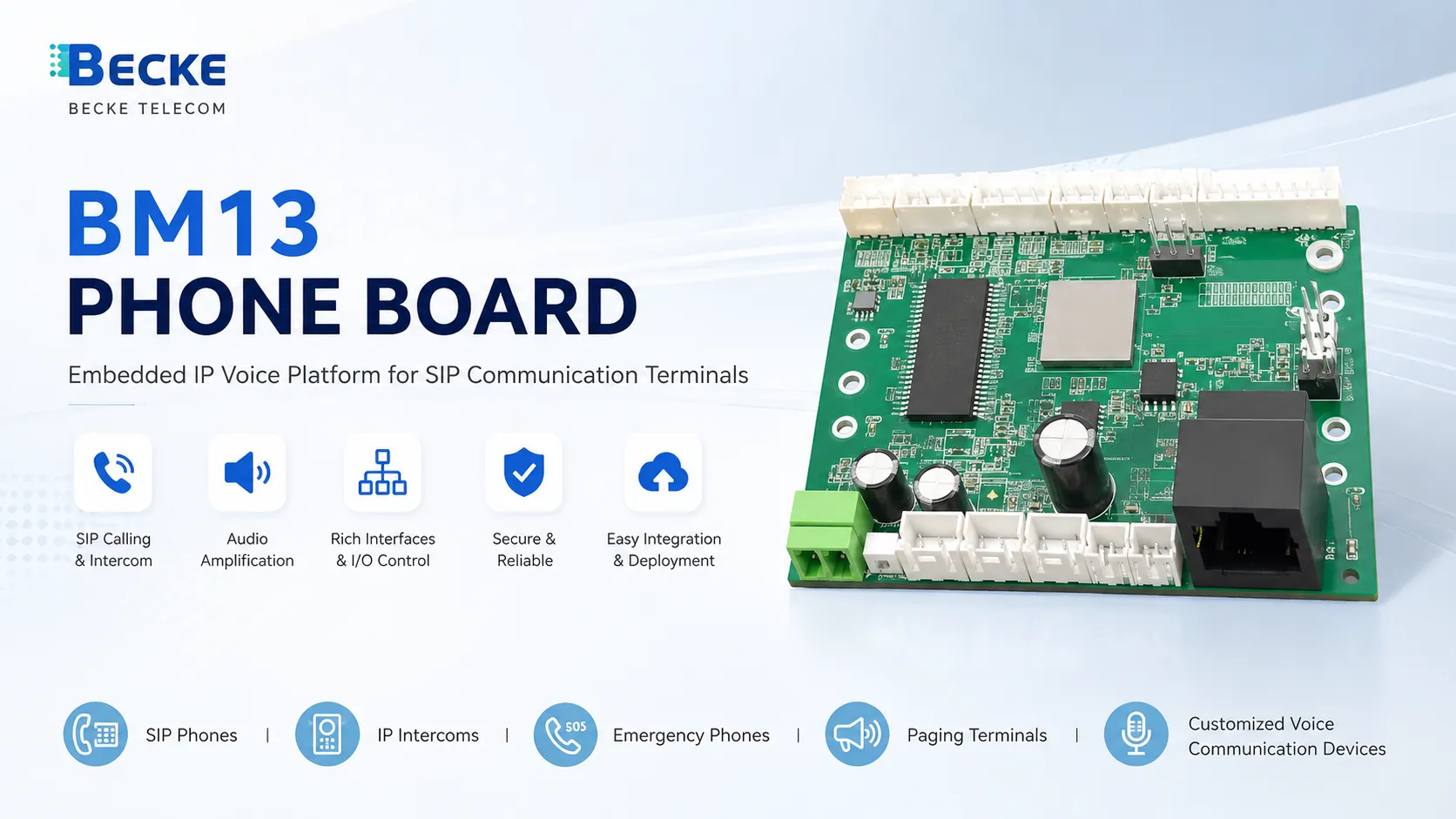
For projects that need SIP paging, IP speakers, emergency phones, paging gateways or industrial communication endpoints, Becke Telcom can provide suitable device options for commercial, industrial, transportation, campus and public safety environments.
Related Solution: Paging and Intercom Broadcasting System
Abschließende Kaufempfehlung
Choosing the right paging system is not only buying speakers, amplifiers or endpoints; it is designing a communication path for clear messages during daily operations and critical events.
For simple buildings, analog or small IP systems may be enough. For larger, multi-zone, safety-sensitive or growing projects, IP or SIP usually gives better flexibility, integration and long-term value. Hybrid systems can modernize upgrades while protecting existing speakers.
The best result comes from matching technology to coverage, acoustics, zones, emergency priorities, integrations, maintenance capability and future expansion.
FAQ
Can existing analog speakers be reused?
In many upgrade projects, existing speakers or amplifier lines can be reused through IP adapters, SIP gateways or network audio interfaces, depending on condition, cabling, zones and required control.
When choose SIP paging instead of basic PA?
SIP paging is suitable when IP PBX integration, dialable extensions, emergency phone linkage, dispatch operation, multi-site management or unified communication is needed.
What should be tested before handover?
Test zone paging, full-site paging, priority override, alarm messages, microphone paging, recordings, audibility, visual alerts, network stability, backup power and permissions. Emergency systems should include STIPA and standards verification.
How avoid unnecessary announcements?
Good zone planning, permissions, schedules, volume control and emergency priorities reduce noise while ensuring important messages reach the right area.